 By Zoe Caleb
Building a new home is an exciting and rewarding experience, but it’s also an opportunity to make a significant positive impact on the environment. In today’s world, more and more homeowners are looking for ways to make their construction projects eco-friendly. Sustainable building practices not only help reduce the environmental footprint of your new home, but they can also result in long-term savings and a healthier living environment. From using energy-efficient materials to incorporating renewable energy sources, there are numerous ways to integrate sustainability into your construction project. Here’s how to make your home construction project eco-friendly.
1. Choose Energy-Efficient Materials
The materials you select for your home can greatly influence its energy consumption and environmental impact. By choosing energy-efficient materials, you can minimize your home’s carbon footprint while creating a more comfortable living environment.
Start with high-performance insulation materials. Insulation plays a critical role in regulating the temperature inside your home, reducing the need for heating and cooling. Materials such as spray foam insulation, cellulose insulation, and rigid foam boards are known for their energy efficiency and eco-friendly properties.
Additionally, opt for sustainable flooring options, like bamboo, cork, or reclaimed wood, which are renewable and have a smaller environmental footprint compared to traditional hardwood floors. Using low-VOC (volatile organic compounds) paints and finishes also reduces indoor air pollution and contributes to a healthier indoor environment.
2. Incorporate Renewable Energy Sources
One of the most effective ways to make your home construction project eco-friendly is to incorporate renewable energy sources right from the start. Solar panels, wind turbines, and geothermal energy systems are increasingly popular options for reducing reliance on non-renewable energy sources and minimizing your home’s carbon footprint.
Solar panels are one of the most accessible forms of renewable energy for homeowners. They can be installed on the roof or on the ground and can help you generate electricity for your home, potentially leading to significant savings on energy bills. Solar water heating systems are also an eco-friendly way to provide hot water for your home.
For regions with favorable conditions, geothermal systems provide a sustainable heating and cooling solution. These systems use the earth’s natural heat to regulate the temperature inside the home, offering significant long-term savings and reducing energy consumption.
3. Design for Natural Light and Ventilation
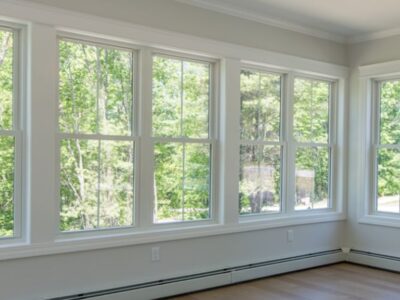
Maximizing natural light and ventilation not only creates a pleasant and inviting environment but also reduces the need for artificial lighting and mechanical cooling. When designing your home, position windows strategically to allow as much natural light into the living spaces as possible. Large windows, skylights, and well-placed openings can minimize the need for electricity during the day.
Incorporating passive ventilation is another eco-friendly design choice. By strategically placing windows and vents, you can allow fresh air to circulate throughout the home, reducing the reliance on air conditioning. Cross-ventilation, which involves placing windows or vents on opposite sides of the house to allow airflow, is an effective method for promoting natural cooling.
4. Use Sustainable and Locally Sourced Materials
Using sustainable materials is essential for any eco-friendly home construction project. Sustainable materials are renewable, non-toxic, and produced with minimal environmental impact. Opt for materials such as bamboo, reclaimed wood, and recycled steel or concrete. These materials have lower carbon footprints compared to conventional options and help reduce waste.
Whenever possible, choose locally sourced materials. Transporting building materials over long distances increases fuel consumption and greenhouse gas emissions. By sourcing materials from nearby suppliers, you can significantly reduce the environmental impact of your construction project while supporting local businesses.
Additionally, consider using recycled materials. Reclaimed wood, recycled glass, and steel can all be used in construction without compromising durability or aesthetics. Not only does this reduce the need for new raw materials, but it also helps to divert waste from landfills.
5. Incorporate Water-Efficiency Features
Water conservation is a crucial aspect of eco-friendly home construction. Water-efficient features can significantly reduce water consumption in your home, saving you money and helping preserve natural water resources.
Install low-flow faucets, showerheads, and toilets to reduce water usage without sacrificing performance. Consider using rainwater harvesting systems to collect and store rainwater, which can be used for irrigation, outdoor cleaning, or even flushing toilets. This system can help you reduce your dependence on municipal water supplies, especially in areas prone to drought.
Greywater recycling systems, which reuse water from sinks, showers, and washing machines, can also be incorporated into your home design. This water can be used for irrigation, reducing the need for potable water outdoors and further enhancing the sustainability of your home.
6. Opt for Smart Home Technology
Integrating smart home technology is another effective way to make your home more eco-friendly. Smart thermostats, for example, allow you to regulate your home’s temperature efficiently by learning your schedule and adjusting the heating and cooling accordingly. These systems can help you save energy by ensuring that heating and cooling are only used when necessary.
Smart lighting systems also help to reduce electricity consumption by automatically turning off lights when not in use and adjusting brightness based on the time of day or available natural light. Additionally, smart appliances, such as energy-efficient refrigerators, washing machines, and dishwashers, consume less energy and water, further improving your home’s sustainability.
7. Build with a Focus on Waste Reduction
Construction projects generate a significant amount of waste, but there are strategies to minimize this. Waste reduction during construction can involve several practices, including recycling materials, reusing components, and choosing materials with minimal packaging.
Consider prefabricated construction methods, where components of the home are built off-site in a controlled environment. This approach often results in less waste and more efficient use of materials. Additionally, ensure that your construction crew separates recyclable materials from non-recyclable ones, making it easier to divert waste from landfills.
8. Create a Sustainable Landscape
Your home’s exterior can also contribute to its overall sustainability. Create a sustainable landscape that uses native plants, which require less water and maintenance. By choosing plants that are suited to your climate, you can reduce the need for irrigation and chemicals like fertilizers and pesticides.
Incorporate features such as permeable paving, which allows rainwater to be absorbed into the ground, reducing runoff and promoting groundwater recharge. You can also design your garden with edible plants, such as fruit trees or vegetable gardens, which can provide both beauty and food.
9. Prioritize Long-Term Durability and Maintenance
An eco-friendly home should be built with long-term durability in mind. Opt for high-quality, low-maintenance materials that can withstand the test of time, reducing the need for repairs or replacements. Choose products that are durable, energy-efficient, and require minimal upkeep.
In addition, designing a home with ease of maintenance in mind can reduce the frequency of repairs and replacements, ultimately minimizing waste and extending the lifespan of your home.
Final Thoughts
Building an eco-friendly home is an investment that benefits not only the environment but also your health, comfort, and financial future. From selecting energy-efficient materials to incorporating renewable energy sources, there are countless ways to make your construction project more sustainable. By focusing on these eco-friendly practices, you can create a home that is not only beautiful and functional but also responsible and future-proof.