
 By Zoe Caleb
Relocating to a new home often signals the start of a fresh chapter in life, full of opportunity and change. However, for families—especially those with children—it can also bring about a whirlwind of emotions, uncertainty, and logistical challenges. While adults might be focused on mortgages, packing, and coordinating the finer details of the move, children are often grappling with the emotional toll of leaving behind everything familiar. Whether it’s their best friend next door, the cozy reading nook in their room, or a beloved neighborhood park, the loss can be overwhelming. That’s why helping children transition emotionally during a move is just as important as the physical relocation itself.
Start with Honest Communication
One of the most important steps in preparing kids for a move is transparent communication. Avoid the temptation to delay telling them the news. While it might seem like a way to protect them, this approach often breeds confusion, resentment, or even mistrust. Instead, share the information as early as possible. Sit down as a family and talk about why the move is happening, what the timeline looks like, and how it might benefit everyone in the long run. When kids are brought into the conversation early, they have more time to mentally and emotionally adjust.
Tailor your explanation to their age level. Younger children may need more visuals or storytelling techniques to understand the changes ahead, while older kids will likely ask for more detailed explanations. Regardless of age, validating their emotions—be it sadness, fear, or anger—is crucial. Let them know it’s okay to feel uneasy about leaving and reassure them that you’re there to support them through the transition.
Create Predictability Through Planning
Once the news is out in the open, begin creating a roadmap for the move. Kids thrive on routine and predictability, so outlining what changes to expect and when can make the process feel less daunting. Create a calendar with visual markers indicating big days—like when packing begins, when the moving truck arrives, and when they’ll get to see their new home.
Encourage them to participate in the planning. Even small roles can help foster a sense of control. Let toddlers decide which stuffed animals will travel with them in the car. Elementary-aged children can help label boxes or choose which charity receives their outgrown clothes. Teens might be more motivated if they’re given a say in designing their new room or choosing activities in the new area.
Involve Kids in the Process
Children of all ages benefit from being included in the moving process. Assign age-appropriate tasks that make them feel involved and useful. Whether it’s making decisions about what to pack, helping declutter the house, or organizing a garage sale, each task can become a bonding moment that makes the move less intimidating.
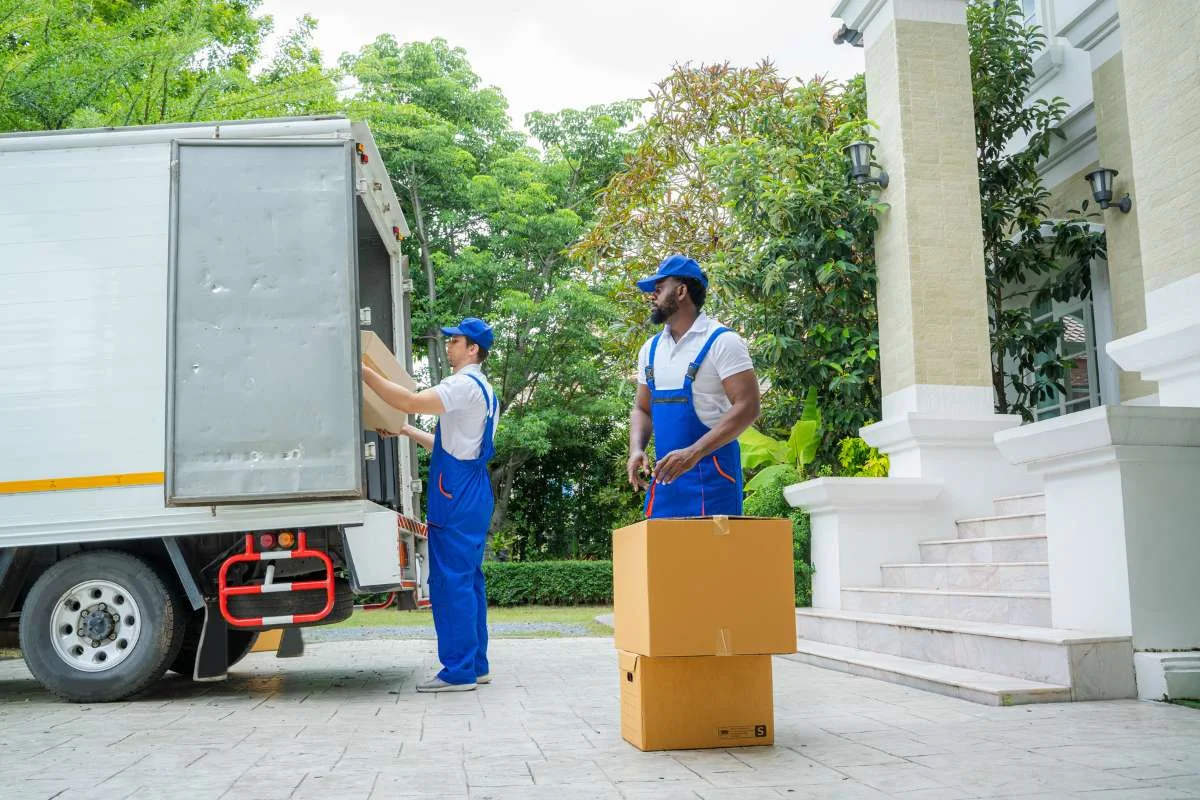
If you’re working with professionals, choosing local movers can also ease the burden. Not only do they often have experience navigating neighborhood-specific logistics, but their familiarity with the area can lead to a smoother, more efficient moving day. With the technical side handled, parents can focus more on emotionally supporting their children and keeping daily routines intact.
Stick to Familiar Routines (As Much as Possible)
Maintaining a consistent routine in the days and weeks leading up to the move can be a huge source of comfort for children. Keep regular mealtimes, bedtimes, and extracurricular schedules intact for as long as feasible. This stability provides a safe foundation when so many other aspects of their world are shifting. It’s this balance—between preparing for the future and staying grounded in the present—that helps kids navigate big transitions with greater ease.
Make Goodbyes Meaningful
Goodbyes are never easy, but they are necessary. Help children say farewell in a way that feels meaningful to them. A going-away party with friends and neighbors can provide closure while also celebrating the relationships they’ve built. Encourage them to create memory boxes filled with mementos from their favorite places or to write letters to friends they plan to keep in touch with.
Before you leave, take a final tour of familiar haunts—be it the neighborhood park, local ice cream shop, or the route to school. Snap photos and let your kids share stories or say goodbye in their own way. These rituals can offer closure and make space for excitement about the new environment waiting for them.
Final Thoughts
Moving with kids isn’t just about relocating your belongings—it’s about transitioning your entire family’s emotional world. With patience, empathy, and thoughtful planning, you can make the move a positive experience. Let your children’s voices be heard, keep them involved, and help them see that home is not just a place, but the people who make it feel safe and loved.
For more ideas and expert advice, explore additional resources dedicated to helping families make a smooth and emotionally healthy move.