
 By Zoe Caleb
Introduction
Moving is more than just transporting belongings from one place to another; it is a process that involves planning, organization, and decision-making. Whether relocating your home, apartment, or office, moving can be both exciting and stressful. In 2025, modern moving strategies, technology, and professional services make the process more efficient than ever. Understanding the nuances of packing, transportation, and setup is key to a successful move.
Why Proper Planning is Essential
Planning is the foundation of a smooth moving process. It helps reduce stress, minimize damage to belongings, and optimize costs. Proper planning involves setting a timeline, creating a checklist, and understanding the logistical requirements of the move. Moving planners recommend starting at least six to eight weeks in advance for residential moves and even earlier for commercial relocations.
Steps to a Successful Move
1. Declutter Before You Pack
One of the first steps in any move is decluttering. Sorting items into categories such as keep, donate, sell, or discard ensures that only necessary items are transported. Decluttering not only reduces the volume of belongings but also saves money on packing materials and moving costs. Popular strategies include hosting a garage sale, donating to local charities, or recycling unused items.
2. Create a Detailed Moving Checklist
A checklist helps keep the moving process organized. Key items to include are:
- Confirming moving dates and transportation arrangements
- Gathering packing materials like boxes, tape, and bubble wrap
- Labeling boxes by room and contents
- Scheduling utility disconnections and reconnections
- Updating your address with banks, subscriptions, and government agencies
Checklists reduce last-minute chaos and ensure all critical steps are completed on time.
3. Choose the Right Moving Services
Selecting a professional moving company is crucial, especially for long-distance or office moves. Research moving companies based on reputation, customer reviews, licensing, and insurance. Services typically offered include packing, transportation, storage, and unpacking. For those on a budget, a DIY move with truck rental is an alternative, though it requires more physical effort and time.
4. Packing Tips for Efficient Moving
Packing is often the most time-consuming part of moving. Following best practices ensures that belongings are protected and organized.
- Use sturdy boxes and avoid overpacking to prevent damage
- Wrap fragile items individually with bubble wrap or packing paper
- Pack heavier items at the bottom of boxes and lighter ones on top
- Label each box with the contents and the designated room
- Keep an essentials box with items needed immediately after the move, such as toiletries, chargers, and a change of clothes
5. Moving Day Strategies
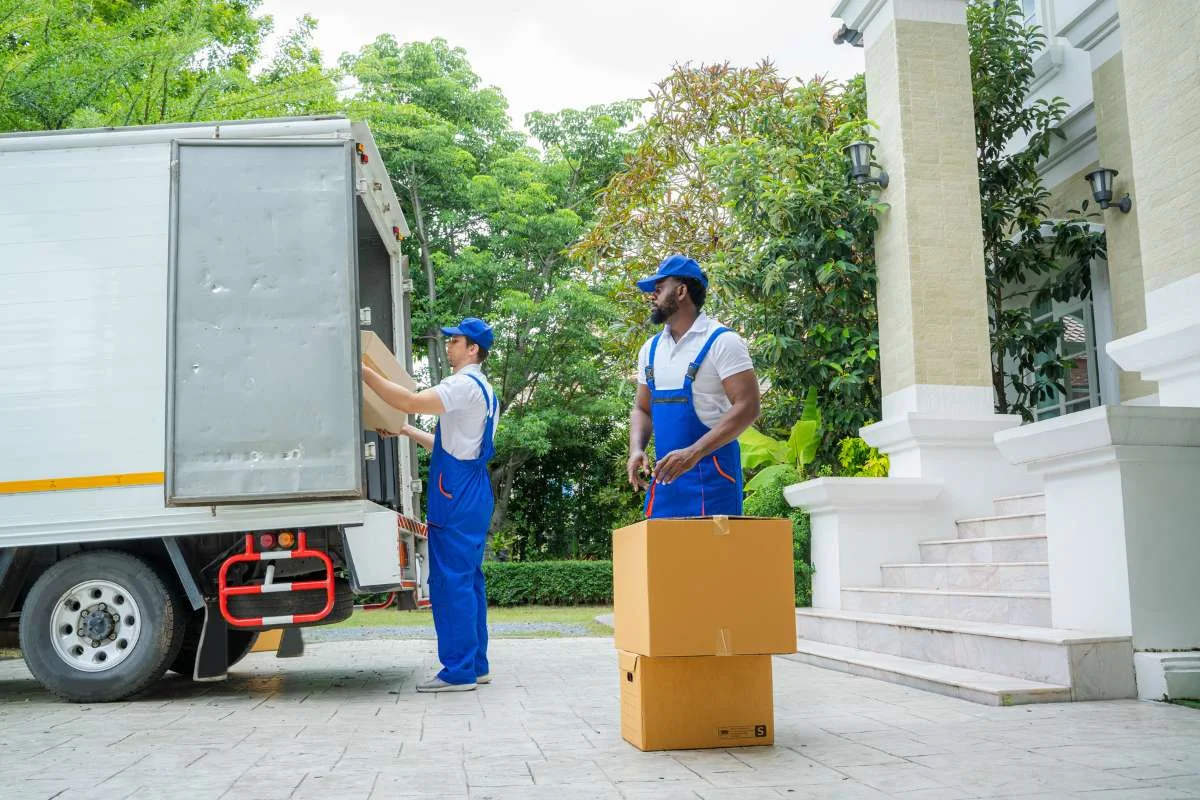
On the day of the move, organization and communication are key. Confirm the arrival time of movers or the rental truck. Ensure walkways are clear for smooth loading. For families with children or pets, arrange temporary care to minimize stress. Professional movers often use dollies, ramps, and protective padding to prevent damage to furniture and walls.
6. Transportation and Logistics
The mode of transportation depends on the distance and volume of belongings. Local moves often require a moving van or truck, while long-distance moves may involve freight services or shipping containers. Logistics planning includes route optimization, timing to avoid traffic congestion, and understanding weight restrictions. For international moves, additional considerations include customs regulations, documentation, and shipping insurance.
7. Unpacking and Setting Up Your New Space
Once at the new location, efficient unpacking ensures a smooth transition. Start with essential rooms like the kitchen, bathroom, and bedrooms. Arrange furniture according to your floor plan and gradually unpack boxes by priority. Recycling or storing packing materials helps reduce clutter and environmental impact. Professional movers may also offer unpacking services to save time.
Special Considerations for Office Moves
Office relocations involve additional planning due to equipment, furniture, and employee workflows. Steps include:
- Conducting an inventory of office assets
- Backing up digital data and disconnecting electronic equipment
- Labeling cables, monitors, and peripherals for easy reassembly
- Scheduling the move during off-hours or weekends to minimize disruption
- Communicating timelines clearly with employees and clients
Cost-Saving Tips for Moving
Moving can be expensive, but there are ways to optimize costs:
- Declutter to reduce transported items
- Compare multiple moving quotes before hiring services
- Use recycled or borrowed packing materials
- Schedule the move during off-peak seasons when rates are lower
- Take advantage of tax deductions for business relocations where applicable
Common Challenges and How to Overcome Them
Stress Management
Relocation can be mentally and physically taxing. Planning, staying organized, and delegating tasks help reduce stress. Practices like deep breathing, short breaks, and staying hydrated on moving day also contribute to better mental health.
Damage and Loss Prevention
Damage to furniture or loss of items is a common concern. Insurance coverage, careful packing, and hiring reputable movers mitigate these risks. High-value items should be transported personally or insured separately.
Time Constraints
Time management is crucial, especially during last-minute moves. Breaking tasks into smaller steps, hiring additional help, or using professional packing services ensures the move stays on schedule.
Moving with Pets and Children
Children and pets require special consideration. Keep routines as consistent as possible, and provide a designated safe space during the move. Familiar toys, bedding, or calming aids help reduce anxiety.
Green Moving Practices
Sustainable moving practices are gaining popularity. Strategies include using eco-friendly packing materials, donating unwanted items, and choosing fuel-efficient transport options. Reusing boxes and minimizing waste align with environmentally conscious living.
Technology in Modern Moving
Digital tools and mobile apps streamline moving. Inventory tracking apps, online booking platforms for movers, and GPS navigation enhance efficiency. Virtual consultations with moving companies allow clients to receive accurate quotes and plan logistics without in-person meetings.
Conclusion
Moving is a complex process that requires careful planning, organization, and execution. By following a structured approach—decluttering, packing efficiently, hiring reliable movers, and managing logistics—you can reduce stress and ensure a smooth transition to your new home or office. Modern strategies, technological tools, and sustainable practices further enhance the relocation experience, making moving not just a task, but an opportunity to start fresh and create a comfortable, well-organized space.
FAQs
1. How far in advance should I start planning a move?
It is recommended to start planning at least six to eight weeks in advance for residential moves and even earlier for office relocations to ensure proper preparation and avoid last-minute stress.
2. What is the difference between full-service and DIY moving?
Full-service moving involves professional movers handling packing, transportation, and unpacking, while DIY moving requires renting a truck and managing all aspects of the move independently.
3. How can I ensure my belongings are protected during the move?
Use sturdy packing materials, label fragile items, secure boxes properly, and consider moving insurance for valuable possessions to minimize the risk of damage or loss.
4. What are some tips for moving on a budget?
Declutter to reduce transported items, compare quotes from multiple moving companies, use recycled packing materials, and schedule moves during off-peak seasons to save money.
5. How do I move pets safely?
Provide a secure carrier, maintain familiar routines, bring toys or bedding, and, if necessary, consult a veterinarian for calming strategies to ensure pets remain comfortable during the move.
6. Can moving companies help with international relocations?
Yes, professional moving companies often offer international relocation services, including packing, customs documentation, shipping, and insurance to simplify complex moves.
7. What should be included in a moving day essentials box?
Include items needed immediately such as toiletries, a change of clothes, chargers, important documents, snacks, and basic kitchen supplies to make the first day in a new home easier.
This comprehensive guide offers practical strategies, expert tips, and modern solutions for a smooth, organized, and cost-effective moving experience, suitable for both residential and commercial relocations.