
 By Zoe Caleb
Choosing a furnace is an important decision that affects indoor comfort, energy consumption and long-term household expenses. The right system should provide enough heat for the property without being unnecessarily large or costly to operate. Before making a purchase, homeowners should consider their home’s layout, insulation, existing heating equipment and the demands of the local climate.
Homeowners researching furnace services in Hibbing, MN should also consider the property’s heating requirements and the practical differences between available furnace types. A professional assessment can help determine the appropriate system size, identify installation requirements and explain the likely costs involved. Comparing these factors before committing to a purchase can help prevent an unsuitable choice.
Assess Your Home’s Heating Requirements
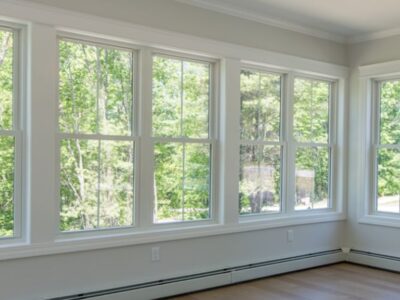
The size of a property is an important starting point, but floor area alone does not determine the furnace capacity needed. Ceiling heights, insulation levels, window quality, air leakage and the layout of individual rooms all influence heat loss. A well-insulated home may require a different capacity from a draughty property of similar size, even when both have comparable layouts.
A qualified heating professional can assess these characteristics and calculate the heating load required for the home. Avoid choosing a furnace solely because it matches the capacity of an older unit. Previous equipment may have been incorrectly sized, or the property may have changed through insulation improvements, extensions or renovations. Correct sizing helps support comfortable temperatures and appropriate system operation.
Compare Furnace Types and Fuel Options
Furnaces are available in different designs, with the most suitable option depending on fuel availability, existing infrastructure and household preferences. Gas furnaces are commonly considered where a suitable gas supply is available, while electric furnaces may suit properties without gas connections. Oil-fired systems are another possibility in some locations, although fuel storage and delivery arrangements need consideration.
When comparing options, look beyond the initial purchase price. Consider these practical factors:
- Fuel availability and local energy tariffs.
- Energy efficiency ratings and expected operating costs.
- Venting and electrical requirements.
- Access to servicing and replacement parts.
- Compatibility with existing ductwork.
Each option has advantages and limitations, so the right choice depends on the property’s circumstances rather than one feature alone.
Consider Energy Efficiency and Running Costs
A furnace’s efficiency affects how much of its fuel energy is converted into useful heat. Comparing manufacturer specifications can help homeowners understand the relative performance of different models. However, an efficiency rating does not guarantee a particular energy bill because costs also depend on the home’s insulation, outdoor temperatures, thermostat settings and heating habits.
When evaluating furnace services in Hibbing, MN, ask for an explanation of the proposed system’s efficiency, operating requirements and expected maintenance needs. Request estimates based on realistic assumptions rather than guaranteed savings. A more efficient model may cost more initially, so consider whether its potential operating benefits justify the difference over the period you expect to use the equipment.
Check Installation Requirements
A new furnace may require changes to existing ductwork, electrical connections, fuel lines, ventilation or exhaust arrangements. The extent of the work depends on the equipment selected and the condition of the current installation. Restricted access, limited space or an unsuitable existing system layout can also affect the installation process and the final quotation.
Before approving the work, ask the contractor to explain what the installation includes, how long the work is expected to take and whether heating will be unavailable during any part of the process. Confirm that permits and inspections will be arranged where required by local regulations. The installer should also explain the commissioning process and provide instructions for operating the new furnace safely.
Choose a Qualified Heating Contractor
The quality of the installation is essential to the furnace’s performance. Incorrect sizing, poor duct connections or unsuitable system settings can lead to uneven heating, inefficient operation and avoidable faults. Look for a contractor with relevant experience, appropriate licensing and insurance, and a clear process for assessing the property before recommending equipment.
Obtain a written quotation that identifies the furnace model, labour, necessary modifications and any additional charges. Check the manufacturer’s warranty, the installer’s workmanship coverage and the recommended servicing schedule. It is also useful to ask whether the contractor will remove the old equipment and provide documentation explaining the new system’s controls and maintenance requirements.
Conclusion
Choosing the right furnace involves balancing heating capacity, fuel availability, energy efficiency, installation requirements and long-term costs. Assessing the property carefully and comparing suitable models can help homeowners select a system that meets their heating needs without paying for unnecessary capacity or features.
Before making a final decision, arrange a professional heating assessment and compare detailed quotations from qualified contractors. A correctly sized furnace, properly installed and maintained according to the manufacturer’s recommendations, can provide dependable warmth and support comfortable indoor conditions for years to come.