 By Zoe Caleb
Storm season brings more than strong winds and heavy rain. It also puts tremendous pressure on your home’s plumbing system, especially in coastal regions where hurricanes, flooding, and storm surges are common. While homeowners often focus on boarding up windows or securing outdoor furniture, plumbing is frequently overlooked until a costly problem develops.
Taking time to prepare your pipes, drains, water heater, and other plumbing fixtures before severe weather arrives can reduce the risk of water damage, contamination, and expensive emergency repairs. If you own a home near the coast, understanding the importance of plumbing for coastal properties can help you protect one of your home’s most essential systems before the next storm approaches.
Why Storm Season Can Damage Plumbing Systems
Heavy rainfall and hurricanes create several challenges for residential plumbing. Saturated soil can shift underground pipes, while floodwater may overwhelm drainage systems and municipal sewers. High winds can also damage exposed plumbing components or disconnect outdoor fixtures.
Power outages add another layer of concern. Homes that rely on electric well pumps lose access to running water during outages, and sump pumps stop working unless connected to backup power. Combined with excessive rainfall, these issues can quickly lead to flooding inside the home.
Older plumbing systems may be especially vulnerable because aging pipes, worn seals, and outdated fixtures are less likely to withstand sudden pressure changes or prolonged exposure to flood conditions.
Inspect Your Plumbing Before Storms Arrive
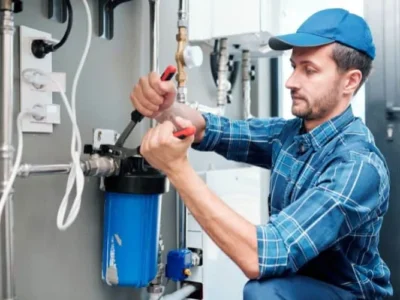
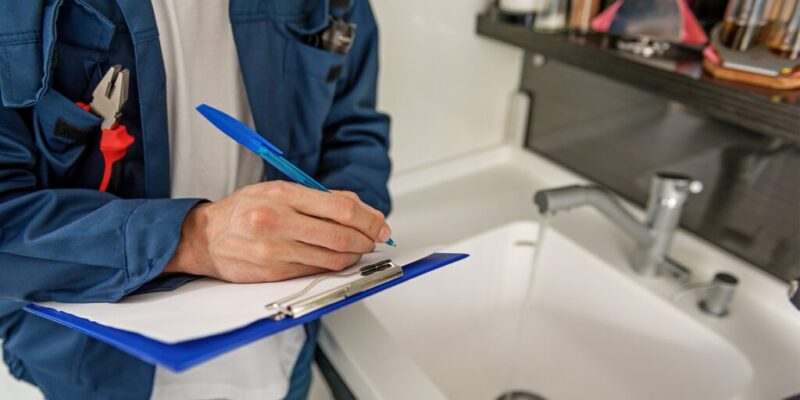
Preventive maintenance is one of the most effective ways to reduce storm-related plumbing problems. Before hurricane season begins, perform a thorough inspection of your home’s plumbing system.
Check for visible leaks beneath sinks, around toilets, and near appliances such as washing machines and dishwashers. Even small leaks can worsen under extreme weather conditions.
Inspect exposed pipes for corrosion, cracks, or signs of deterioration. Outdoor faucets, irrigation systems, and hose bibs should also be examined for damage that could become more serious during high winds or freezing conditions that occasionally follow storms.
If your home has older plumbing, consider scheduling a professional inspection to identify hidden weaknesses before severe weather exposes them.
Keep Drains and Gutters Flowing Freely
Proper drainage plays a major role in protecting your plumbing system during heavy rainfall.
Leaves, dirt, and debris can clog gutters, downspouts, and exterior drains, preventing water from flowing away from your home. Instead, water may collect around the foundation, increasing the risk of basement flooding or water intrusion.
Inside the home, make sure sinks, showers, and floor drains are draining properly. Slow drains may indicate partial blockages that become worse when large amounts of water enter the drainage system during storms.
Avoid using chemical drain cleaners before hurricane season. Mechanical cleaning or professional drain maintenance is generally a safer long-term solution that protects your pipes.
Protect Your Sewer Line From Backups
One of the most unpleasant consequences of severe storms is a sewer backup.
When municipal sewer systems become overwhelmed by heavy rainfall, wastewater can flow backward into homes through floor drains, toilets, or sinks. Besides causing property damage, sewage contamination presents serious health risks.
Installing a backwater valve helps prevent wastewater from reversing direction into your home’s plumbing system. These devices automatically close when sewer water begins flowing back toward the house.
If your home is located in a flood-prone area, a backwater valve can provide valuable protection during major storms.
Prepare Your Water Heater
Water heaters often receive little attention until something goes wrong.
Inspect the unit for rust, leaks, or corrosion around the tank and plumbing connections. Flush sediment from the tank if recommended by the manufacturer, as sediment buildup reduces efficiency and may shorten the unit’s lifespan.
If local authorities advise evacuating before a hurricane, many homeowners choose to turn off the water heater’s power or gas supply according to manufacturer instructions. This precaution helps protect the appliance if flooding or power interruptions occur.
Know Where Your Main Water Shut-Off Valve Is
Every member of your household should know the location of the main water shut-off valve.
If a pipe bursts during a storm or after falling debris damages your plumbing, shutting off the water supply immediately can significantly reduce water damage.
Practice locating and operating the shut-off valve before an emergency. If the valve is difficult to turn or appears damaged, have it serviced before storm season begins.
Knowing how to act quickly can make a substantial difference when every minute counts.
Secure Outdoor Plumbing Fixtures
Outdoor plumbing components are directly exposed to harsh weather.
Disconnect garden hoses before storms arrive. Leaving hoses attached can place unnecessary pressure on outdoor faucets and increase the risk of pipe damage.
Secure irrigation equipment, outdoor sinks, decorative fountains, and exposed plumbing wherever possible. Flying debris during hurricanes can break exposed pipes or damage plumbing connections.
If you have an above-ground irrigation controller or plumbing equipment, verify that it is properly anchored and protected from excessive water exposure.
Prepare for Extended Power Outages
Storm-related power outages can affect several plumbing systems.
Homes with private wells depend on electric pumps to provide running water. If your property uses a well, consider keeping an emergency water supply for drinking, cooking, and sanitation.
Sump pumps should be equipped with battery backups or water-powered backup systems if flooding is a concern. Without backup power, basements and crawl spaces may quickly accumulate water during prolonged rainfall.
Having fresh drinking water stored before a storm is also a practical precaution in case local water service becomes temporarily unavailable or authorities issue boil-water advisories.
Schedule Preventive Maintenance Before Hurricane Season
The best time to address plumbing issues is before severe weather begins.
Routine maintenance allows professionals to identify hidden leaks, aging pipes, drainage concerns, or equipment failures that may not be obvious during normal conditions. Small repairs completed in advance are often far less expensive than emergency restoration after a hurricane.
If your home has experienced flooding in previous years, consider discussing additional protective measures such as flood-resistant plumbing upgrades or drainage improvements that match your property’s specific needs.
Final Thoughts
Preparing your plumbing system for hurricane and storm season is an important part of protecting your home from costly water damage and unexpected repairs. Simple steps such as inspecting pipes, clearing drains, securing outdoor fixtures, and understanding how to shut off your water supply can greatly improve your home’s resilience during severe weather.
While no preparation can eliminate every risk associated with hurricanes, regular plumbing maintenance and early planning help minimize potential damage and keep essential systems functioning when they’re needed most. Investing time before storm season arrives can provide greater peace of mind and help your home recover more quickly after the weather passes.