 By Zoe Caleb
Selecting the right shape for your outdoor shade installation can dramatically impact both functionality and visual appeal. The geometry of tensioned fabric structures determines coverage patterns, installation requirements, and how well they integrate with existing architectural elements. Understanding these differences helps property owners make informed decisions that maximise their investment in sun protection.
Modern fabric shade solutions come in numerous configurations, each offering distinct advantages for specific applications and environments. From simple triangular designs that suit corner installations to complex custom shapes that accommodate unique architectural features, the variety of available options can seem overwhelming. The popularity of shade sails Sydney installations demonstrates how different shapes perform in challenging climates with intense UV exposure and variable weather conditions.
The choice between various shade sail configurations extends far beyond aesthetics, influencing structural requirements, maintenance needs, and long-term performance. This comparison examines the most popular shapes and styles, helping readers understand which options best suit their specific outdoor protection needs and design preferences.
Triangular Shade Sails: Versatility and Efficiency
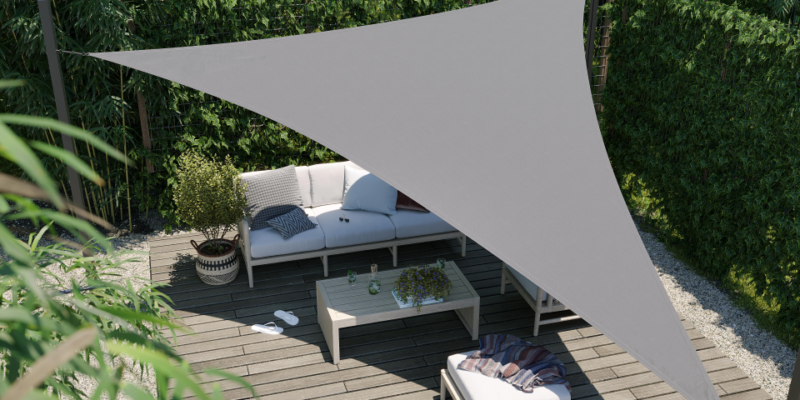
Triangular configurations represent the most popular choice for residential installations due to their structural simplicity and design flexibility. These three-point systems require fewer attachment points than rectangular alternatives, making them suitable for locations with limited mounting options. The geometric efficiency of triangular shapes distributes tension forces evenly across all connection points, reducing stress on individual anchor points.
The coverage pattern created by triangular installations varies significantly based on orientation and time of day. Right-angled triangles positioned with their long edge facing north provide excellent midday protection in southern hemisphere locations, whilst equilateral triangles offer more balanced coverage throughout the day. The pointed nature of these designs creates dynamic shadow patterns that change continuously, adding visual interest to outdoor spaces.
Installation costs for triangular sails typically fall below those of rectangular alternatives due to reduced fabric requirements and simpler tensioning systems. However, the actual coverage area per square metre of fabric may prove less efficient than rectangular designs, particularly for large entertainment areas or commercial applications requiring maximum shade coverage.
Rectangular and Square Configurations
Rectangular shade sails maximise coverage area relative to fabric usage, making them cost-effective for large outdoor spaces like playgrounds, car parks, and commercial patios. The four-point mounting system distributes loads more evenly than triangular designs but requires additional structural planning to accommodate the increased number of connection points.
Square installations work particularly well for symmetrical outdoor areas like courtyards or pool surrounds where balanced coverage proves more important than maximum area efficiency. These configurations create predictable shade patterns that remain relatively consistent throughout the day, making them ideal for permanent seating arrangements or fixed outdoor furniture layouts.
The tensioning requirements for rectangular sails demand careful attention to prevent fabric sagging along the longer edges. Professional installation typically proves necessary to achieve proper tension distribution and prevent premature fabric failure or poor aesthetic appearance.
Custom and Complex Shapes
Multi-point configurations allow designers to create unique shade solutions that accommodate irregular spaces or specific architectural requirements. Five or six-point installations can wrap around building corners, follow curved pathways, or provide coverage for oddly shaped outdoor areas that standard triangular or rectangular sails cannot address effectively.
Curved edge designs incorporate gentle arcs that soften the geometric appearance of traditional straight-edged installations. These organic shapes complement natural garden settings whilst maintaining the structural integrity required for effective tensioning. The manufacturing complexity of curved sails typically increases costs but creates distinctive visual effects that justify the additional investment.
Overlapping configurations utilise multiple smaller sails to create complex shade patterns with enhanced visual interest. This approach allows for phased installation, seasonal adjustment, and easier maintenance compared to single large installations. The layered effect can provide superior UV protection whilst creating microclimate zones with different characteristics.
Fabric Orientation and Performance
The directional properties of shade fabric weave affect performance characteristics depending on installation orientation. Fabrics with distinct grain directions perform differently when tensioned along various axes, influencing both durability and appearance over time. Understanding these properties helps optimise fabric selection for specific shape configurations.
Triangular installations typically work best with fabrics that maintain consistent stretch properties in all directions, whilst rectangular sails benefit from fabrics with enhanced strength along the primary tension axes. Custom shapes may require specialised fabric treatments or reinforcement along stress concentration areas to prevent premature failure.
Colour and pattern considerations interact with shape selection to create cohesive design schemes. Striped patterns can emphasise the linear qualities of rectangular installations, whilst solid colours tend to highlight the geometric beauty of triangular configurations. The interplay between fabric choice and shape selection significantly influences the overall aesthetic impact.
Structural Requirements by Shape Type
Triangular sails generate the most efficient load distribution, requiring relatively modest structural support compared to their coverage area. The three-point system creates predictable force vectors that simplify foundation and mounting hardware sizing. This efficiency makes triangular configurations popular for retrofit installations where existing structures provide mounting points.
Rectangular installations create higher concentrated loads at corner mounting points, particularly under wind conditions. The four-point system requires more substantial structural support and may necessitate purpose-built posts or structural reinforcement of existing attachment points. Professional engineering assessment often proves necessary for larger rectangular installations.
Complex multi-point configurations generate unpredictable load patterns that require computer modelling for proper structural design. These installations typically demand custom hardware solutions and professional installation to ensure safety and longevity.
Maintenance and Replacement Considerations
Simple geometric shapes generally prove easier to maintain and replace than complex custom configurations. Triangular and rectangular sails utilise standard hardware components that remain readily available, whilst custom shapes may require specialised replacement parts that increase long-term ownership costs.
The accessibility of connection points influences maintenance requirements, with some complex configurations creating hard-to-reach tensioning hardware that complicates routine adjustments and cleaning procedures. Planning for maintenance access during the design phase prevents future complications and reduces long-term care costs.
Fabric replacement scheduling varies by shape complexity, with simple configurations allowing for quick fabric changes whilst maintaining existing hardware and mounting systems. Complex installations may require complete removal and reinstallation during fabric replacement, increasing both cost and disruption.
The optimal shade sail configuration balances functional requirements with aesthetic preferences and practical constraints including budget, structural limitations, and maintenance capabilities. Understanding how different shapes perform helps ensure successful installations that provide years of reliable sun protection and visual appeal.