 By Zoe Caleb
Introduction
Pest control is an essential aspect of maintaining a clean, safe, and healthy living or working environment. Pests such as rodents, insects, and termites not only damage property but can also pose serious health risks. With the increasing awareness of hygiene and structural integrity, understanding effective pest control methods has become crucial for homeowners, businesses, and property managers. In this article, we will explore different types of pests, the health hazards they pose, preventive strategies, and both professional and DIY pest control solutions.
Understanding Common Household Pests
Effective pest control begins with identifying the types of pests that commonly invade homes and businesses. These pests can be categorized into insects, rodents, and other miscellaneous animals.
Insects
- Ants: Often attracted to food crumbs and moisture, ants can contaminate surfaces and food items. Carpenter ants, in particular, can damage wooden structures.
- Cockroaches: Known for spreading bacteria and allergens, cockroaches thrive in dark, moist areas. They can trigger asthma and other respiratory problems.
- Termites: Termites feed on wood and cellulose materials, causing structural damage that can lead to costly repairs.
- Mosquitoes: Beyond the nuisance of bites, mosquitoes transmit diseases such as malaria, dengue, and Zika virus.
- Bed Bugs: These nocturnal pests feed on human blood, causing itchy bites and potential allergic reactions.
Rodents
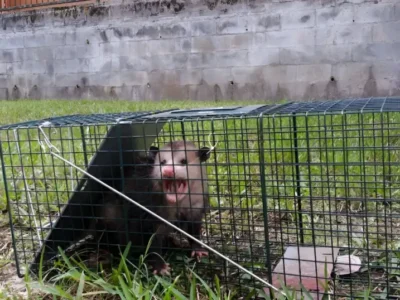
- Rats and Mice: Rodents are carriers of diseases like leptospirosis and hantavirus. They can also chew through electrical wiring, insulation, and furniture, posing fire hazards.
Other Pests
- Spiders: While most spiders are harmless, some species, such as the black widow or brown recluse, can be dangerous.
- Birds and Bats: Birds and bats can infest attics and roofs, leaving droppings that may carry pathogens.
Understanding the specific pest problem is the first step in devising an effective pest control plan.
The Importance of Professional Pest Control
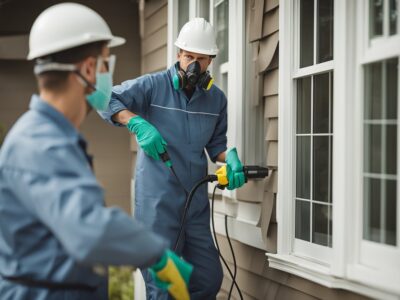
While DIY methods can handle minor infestations, professional pest control services provide comprehensive and long-term solutions. Here’s why hiring experts is often the best choice:
- Advanced Expertise: Pest control professionals are trained to identify the species and behavior of pests, allowing for precise treatment.
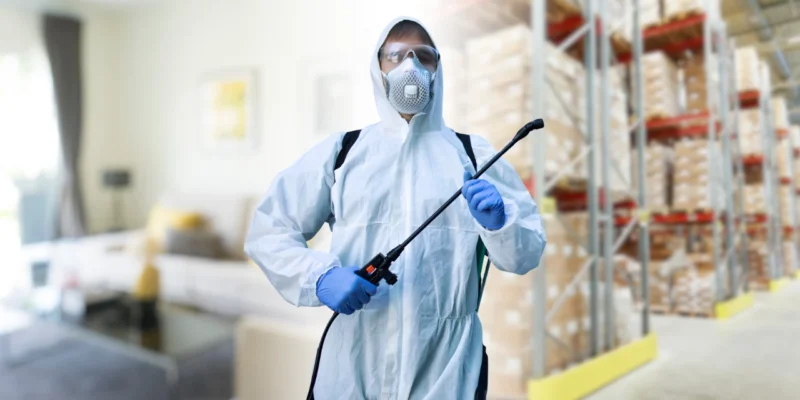
- Effective Chemicals and Treatments: Professionals have access to regulated pesticides and eco-friendly solutions that are often more potent than over-the-counter options.
- Long-Term Prevention: A professional approach includes assessing structural vulnerabilities, sealing entry points, and recommending preventive measures.
- Safety: Proper handling of chemicals ensures the safety of family members, pets, and employees.
Professional pest control services are not only a reactive solution but also an essential preventive strategy to maintain a healthy environment.
DIY Pest Control Strategies
While professional intervention is crucial for serious infestations, there are several DIY methods to prevent and control pests.
Sanitation and Cleanliness
- Regularly cleaning floors, countertops, and kitchen appliances removes food particles that attract pests.
- Storing food in sealed containers and disposing of garbage promptly helps reduce pest infestations.
Moisture Control
- Repair leaking faucets, pipes, and drains, as many pests are drawn to moisture.
- Ensure proper ventilation in basements and attics to prevent damp environments conducive to pest breeding.
Physical Barriers
- Install door sweeps, window screens, and seal cracks in walls to prevent pests from entering.
- Use traps and bait stations strategically to capture insects or rodents.
Natural Remedies
- Essential Oils: Oils like peppermint, eucalyptus, and tea tree oil can repel insects.
- Diatomaceous Earth: This natural powder can dehydrate and eliminate insects like ants and cockroaches.
- Homemade Traps: Simple traps using sugar, vinegar, or peanut butter can help manage minor ant or fly problems.
DIY methods are most effective when used as preventive measures or in combination with professional treatments for larger infestations.
Integrated Pest Management (IPM) Approach
Integrated Pest Management (IPM) is a holistic approach that combines prevention, monitoring, and targeted treatment to manage pests efficiently. The IPM strategy includes:
- Inspection: Regular monitoring of your property to identify early signs of infestation.
- Identification: Accurate identification of the pest species and understanding their behavior.
- Prevention: Implementing structural repairs, sanitation, and environmental modifications to prevent pest entry.
- Control: Applying targeted treatments, including chemical, biological, or physical methods, only when necessary.
- Monitoring and Evaluation: Assessing the effectiveness of treatments and making adjustments to maintain pest-free conditions.
IPM minimizes the use of harmful chemicals, reduces costs over time, and ensures sustainable pest control solutions.
Seasonal Pest Control Considerations
Pest activity varies with seasons, and preventive measures should adapt accordingly.
- Spring and Summer: Warm temperatures increase the breeding rate of insects like mosquitoes, ants, and flies. Proper sanitation and regular lawn maintenance can help reduce infestations.
- Fall: Rodents seek warmth and shelter indoors. Sealing entry points and maintaining clean storage areas is crucial.
- Winter: Pests like spiders and rodents may hide in attics and basements. Regular inspections and early intervention prevent winter infestations.
Adapting pest control strategies to seasonal changes ensures year-round protection.
Health Risks Associated with Pests
Beyond property damage, pests pose significant health hazards:
- Allergies and Asthma: Cockroach droppings, dust mites, and mold caused by moisture attract allergens.
- Vector-Borne Diseases: Mosquitoes and ticks can transmit diseases like malaria, Lyme disease, and West Nile virus.
- Food Contamination: Rodents and insects can contaminate food, causing foodborne illnesses.
- Bites and Skin Reactions: Bed bugs, fleas, and certain spiders can cause painful bites and skin irritation.
Understanding the health risks emphasizes the importance of timely and effective pest control.
Choosing the Right Pest Control Service
Selecting a reputable pest control company is vital for effective results. Consider the following factors:
- Experience and Licensing: Ensure the company is licensed and has experience with the specific type of pest problem.
- Eco-Friendly Options: Look for services that offer safe, environmentally responsible treatments.
- Customer Reviews: Reviews and testimonials provide insight into the company’s effectiveness and professionalism.
- Customized Solutions: Avoid one-size-fits-all approaches; the service should offer tailored plans based on property type and infestation severity.
Investing in a reliable pest control service saves money in the long term and ensures a safer environment.
Preventive Tips for Long-Term Pest Control
Preventing pest infestations is more cost-effective than dealing with them after they occur. Key preventive measures include:
- Maintain cleanliness and hygiene throughout the property.
- Seal cracks, crevices, and gaps in walls, doors, and windows.
- Properly store food in airtight containers.
- Dispose of garbage regularly and use covered bins.
- Regularly inspect the property for early signs of pests.
- Keep vegetation and landscaping away from the building foundation.
By implementing preventive measures, homeowners and businesses can significantly reduce the risk of pest infestations.
Conclusion
Pest control is a critical component of maintaining a safe, healthy, and comfortable environment. Understanding common pests, recognizing the associated health risks, and implementing preventive and treatment strategies can help protect your property effectively. Whether through professional services, DIY methods, or an integrated pest management approach, consistent and proactive pest control ensures peace of mind and long-term safety for your home or business.
Frequently Asked Questions (FAQs)
1. How often should I schedule professional pest control services?
Professional treatments are generally recommended every three to six months, but the frequency may vary depending on the type of pests and the severity of the infestation.
2. Are pest control chemicals safe for pets and children?
Reputable pest control companies use regulated chemicals and eco-friendly options that minimize risks. Always follow the company’s safety guidelines and keep pets and children away from treated areas temporarily.
3. Can I prevent termites without professional help?
While some preventive measures like reducing moisture and sealing wood can help, termite infestations often require professional assessment and treatment to fully eliminate them.
4. What are the signs of a rodent infestation?
Common signs include droppings, gnaw marks on furniture or wires, scratching noises in walls, and damaged insulation or food packaging.
5. How can I get rid of bed bugs effectively?
Bed bugs are notoriously difficult to eliminate. Professional heat treatments, insecticides, and thorough cleaning of bedding and furniture are usually required for complete eradication.
6. Is integrated pest management more effective than traditional pest control?
Yes, IPM focuses on long-term prevention and targeted treatments, reducing chemical use and addressing the root cause of infestations rather than just temporary elimination.
7. Can seasonal changes affect pest activity in my home?
Absolutely. Warmer months increase insect activity, while rodents and spiders may seek shelter indoors during colder months. Adapting pest control strategies seasonally is essential for consistent protection.