
 By Zoe Caleb
As urban environments expand and encroach upon natural habitats, encounters with wildlife, including opossums, have become increasingly common. While these nocturnal creatures play a vital role in our ecosystem by controlling pests and scavenging for food, they can sometimes find their way into residential areas, leading to potential conflicts with homeowners. When opossums invade gardens, attics, or basements, they can create both physical and emotional disturbances, prompting the need for effective and humane intervention. This is where professional humane opossum trapping services come into play. These specialized services not only prioritize the safe removal of unwanted visitors but also emphasize the importance of ethical treatment and relocation of the animals. By employing trained experts who understand the behavioral patterns of opossums and the effective use of humane traps, homeowners can address their wildlife concerns while ensuring minimal harm to the creatures involved. In this article, we will explore the benefits of humane opossum trapping, the methodologies employed by professionals, and how these services contribute to a balanced coexistence between humans and wildlife, ultimately fostering a more harmonious living environment.
– Effective Opossum Trapping Techniques Explained
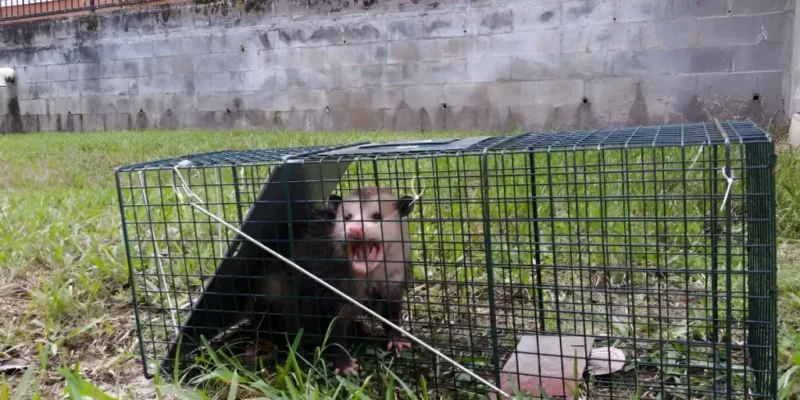
When engaging in opossum trapping, several effective techniques can enhance success rates while ensuring humane treatment of these animals. Selecting the right trap is crucial; live traps, designed to securely contain the opossum without causing harm, are recommended. Baiting the trap with enticing food such as fruits, vegetables, or pet food can significantly increase the likelihood of attracting the opossum. It is essential to position the trap in areas with known opossum activity, such as near their den sites, paths, or feeding areas, and to ensure it is placed in a manner that provides cover and security.
Monitoring the traps regularly is pivotal to ensure the opossum is not left in captivity for extended periods, which can cause undue stress. Once captured, it is important to handle the opossum with care and transport it to an appropriate release site away from residential areas. Following local wildlife regulations is also essential to maintain compliance and protect the well-being of the animal. By employing these techniques, individuals can effectively manage opossum populations while promoting humane treatment and adhering to ethical standards.
– Benefits of Professional Opossum Removal Services
Utilizing professional opossum removal services offers significant advantages for both property owners and the welfare of the animals themselves. Trained experts possess the knowledge and experience necessary to efficiently identify opossum activity, assess the situation, and implement effective opossum trapping methods. By relying on professionals, property owners can ensure that the removal process is conducted safely, reducing the risk of injury to both the opossums and humans involved. Additionally, professionals are well-versed in local regulations regarding wildlife management, ensuring compliance and reducing potential legal issues.
Moreover, professional services often provide follow-up measures to prevent future intrusions, such as securing entry points and offering advice on habitat modification. This proactive approach not only addresses the immediate concern but also helps create a long-term solution to minimize the likelihood of re-infestation. Ultimately, engaging a professional for opossum trapping not only facilitates the humane removal of these animals but also contributes to a more harmonious coexistence with local wildlife.
– Ensuring Safe and Humane Trapping Practices
The implementation of safe and humane trapping practices is essential to ensure that opossums are handled in a manner that prioritizes their welfare while effectively managing their presence in residential areas. Utilizing live traps specifically designed to minimize stress and injury is a standard procedure among professional opossum trapping services. These traps are monitored closely to ensure that captured animals are dealt with promptly, thereby reducing the duration of captivity and the potential for distress.
Furthermore, employing humane techniques not only aligns with ethical considerations but also fosters a more sustainable approach to wildlife management. By focusing on non-lethal trapping methods, professionals contribute to the conservation of opossum populations, which play a vital role in their ecosystems. In addition to humane trapping, education about the importance of opossums in controlling pests can help mitigate negative perceptions, promoting coexistence rather than conflict between humans and wildlife.
In conclusion, humane opossum trapping services offer an effective and compassionate solution for managing unwanted visitors in residential and commercial spaces. By prioritizing the wellbeing of these creatures while addressing the concerns of property owners, these services not only promote a safer environment but also foster a respect for wildlife. Utilizing trained professionals ensures that opossums are captured and relocated safely, minimizing stress for the animals and preventing potential damage to property. Ultimately, choosing humane methods reflects a commitment to coexistence with nature, highlighting the importance of responsible wildlife management in our communities.