 By Zoe Caleb
HVAC, which stands for Heating, Ventilation, and Air Conditioning, is a cornerstone of modern indoor comfort. These systems are essential for regulating temperature, maintaining air quality, and ensuring a comfortable environment in residential, commercial, and industrial spaces. A well-designed HVAC system improves energy efficiency, reduces operational costs, and enhances the overall health and well-being of occupants. This guide will provide a comprehensive overview of HVAC systems, their components, benefits, maintenance practices, and industry trends.
What Is HVAC?
HVAC systems are integrated solutions designed to control the heating, cooling, and air quality of indoor spaces. These systems encompass multiple components, including furnaces, air conditioners, heat pumps, ventilation ducts, air filters, and thermostats. By combining heating and cooling capabilities with proper ventilation, HVAC systems create a balanced and comfortable indoor environment year-round.
The heating component provides warmth during colder months through furnaces, boilers, or heat pumps, while the cooling component, typically through air conditioning units or evaporative coolers, ensures comfort during hot weather. Ventilation ensures that fresh air circulates while removing pollutants, odors, and excess moisture, contributing to indoor air quality.
Components of an HVAC System
An HVAC system is made up of several key components, each playing a crucial role in its operation:
- Heating Units: Furnaces and boilers are common heating units. Furnaces use electricity, natural gas, or oil to heat air, which is then distributed via ducts. Boilers heat water, producing steam or hot water that circulates through radiators or underfloor piping.
- Cooling Units: Central air conditioners and heat pumps serve as cooling units. Air conditioners remove heat from indoor air, transferring it outside, while heat pumps can reverse this process, providing both heating and cooling.
- Ductwork: Ducts distribute conditioned air throughout the building. Properly designed ducts ensure efficient airflow, reduce energy consumption, and maintain consistent temperatures in all rooms.
- Ventilation Systems: Ventilation involves exchanging indoor air with fresh outdoor air. Mechanical ventilation uses fans and ducts, while natural ventilation relies on windows, vents, and building design to circulate air.
- Thermostats and Controls: Thermostats regulate temperature settings and allow users to schedule heating or cooling cycles. Smart thermostats enhance energy efficiency by learning usage patterns and providing remote control via smartphones.
- Air Filtration and Purification: Filters and purifiers remove dust, allergens, and pollutants from indoor air. High-efficiency particulate air (HEPA) filters and UV air purifiers improve air quality, especially for allergy sufferers and those with respiratory conditions.
Types of HVAC Systems
Several HVAC system configurations exist, tailored to different needs and building types:
- Split Systems: The most common type, split systems have separate indoor and outdoor units. The indoor unit handles air distribution, while the outdoor unit houses the compressor and condenser.
- Packaged Systems: All components are contained within a single outdoor unit, ideal for small commercial spaces or homes with limited indoor space.
- Ductless Mini-Split Systems: These systems provide flexibility for homes without existing ductwork. Each indoor unit operates independently, offering zone-specific temperature control.
- Hybrid Systems: Combining a furnace with a heat pump, hybrid systems optimize energy efficiency by switching between electricity and gas based on outdoor temperatures.
- Geothermal Systems: Utilizing the stable temperature of the earth, geothermal HVAC systems are highly energy-efficient and environmentally friendly, though they require higher initial investment.
Benefits of a Well-Maintained HVAC System
Properly functioning HVAC systems offer numerous advantages beyond basic comfort:
- Energy Efficiency: Modern HVAC systems are designed to maximize energy efficiency, reducing electricity and fuel costs while minimizing environmental impact.
- Improved Air Quality: Advanced filtration and ventilation systems reduce indoor pollutants, allergens, and odors, contributing to healthier living and working conditions.
- Consistent Comfort: HVAC systems regulate temperature and humidity, creating uniform comfort throughout indoor spaces.
- Extended Equipment Lifespan: Regular maintenance prevents wear and tear, ensuring that HVAC components last longer and operate efficiently.
- Environmental Sustainability: Energy-efficient HVAC systems reduce greenhouse gas emissions, supporting eco-friendly building practices.
Common HVAC Maintenance Practices
Regular maintenance is essential to keep HVAC systems running efficiently and prevent costly breakdowns. Key maintenance practices include:
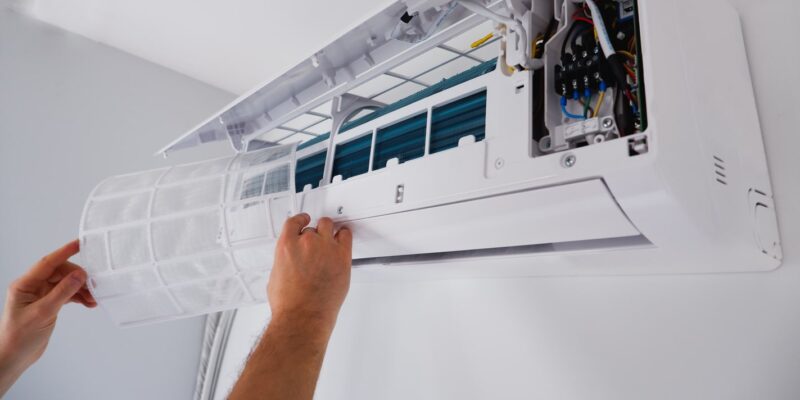
- Regular Filter Replacement: Air filters should be checked monthly and replaced as needed to ensure proper airflow and air quality.
- Cleaning Coils and Ducts: Dirty coils reduce efficiency, while clogged ducts impede airflow. Regular cleaning improves system performance.
- Checking Refrigerant Levels: Low refrigerant levels can strain cooling systems, leading to inefficiency and potential damage.
- Inspecting Electrical Components: Loose connections or faulty wiring can cause malfunctions or safety hazards. Professional inspections help prevent issues.
- Thermostat Calibration: Ensuring that thermostats accurately reflect indoor temperatures optimizes energy usage and comfort.
- Seasonal Tune-Ups: Scheduling professional inspections before heating or cooling seasons ensures that the system operates optimally when needed most.
Emerging Trends in HVAC Technology
The HVAC industry is evolving rapidly, with technological advancements enhancing efficiency, sustainability, and user convenience:
- Smart HVAC Systems: Connected thermostats, sensors, and IoT integration allow remote monitoring, predictive maintenance, and adaptive temperature control.
- Energy Recovery Ventilators (ERVs): ERVs reclaim energy from exhaust air to precondition incoming fresh air, reducing energy consumption.
- Variable Refrigerant Flow (VRF) Systems: VRF systems provide precise temperature control by varying refrigerant flow, ideal for large commercial spaces.
- Eco-Friendly Refrigerants: New refrigerants with lower global warming potential are replacing traditional options, reducing environmental impact.
- Zoning Systems: Advanced zoning allows independent temperature control in different areas, improving comfort and energy efficiency.
Troubleshooting Common HVAC Issues
Even well-maintained HVAC systems can experience issues. Recognizing common problems early can prevent costly repairs:
- Inconsistent Temperatures: May result from thermostat issues, duct leaks, or dirty filters.
- Strange Noises: Grinding, rattling, or hissing noises can indicate mechanical problems, loose components, or refrigerant leaks.
- Reduced Airflow: Often caused by clogged filters, blocked ducts, or failing fans.
- High Energy Bills: A sudden increase in energy costs can signal system inefficiency or malfunction.
- Frequent Cycling: Short cycling occurs when the system turns on and off repeatedly, often due to thermostat errors or an oversized unit.
HVAC Safety Considerations
HVAC systems involve electrical components, gas lines, and refrigerants, making safety a priority:
- Carbon Monoxide Detectors: Install detectors when using gas-powered heating units to detect potential leaks.
- Regular Inspections: Ensure all components are functioning correctly and that gas lines, vents, and electrical systems meet safety standards.
- Professional Installation and Repairs: Avoid DIY work for complex systems to reduce the risk of injury or damage.
Choosing the Right HVAC Professional
Selecting a qualified HVAC contractor is essential for installation, maintenance, and repairs:
- Licensing and Certification: Ensure the contractor is licensed and certified by recognized industry organizations.
- Experience and Reputation: Look for contractors with a proven track record and positive customer reviews.
- Transparent Pricing: Obtain detailed estimates and compare services to ensure fair pricing.
- Maintenance Plans: Consider contractors offering ongoing maintenance programs for long-term efficiency and reliability.
FAQs About HVAC Systems
1. How often should I have my HVAC system serviced?
It is recommended to schedule professional HVAC maintenance at least twice a year—once before the cooling season and once before the heating season.
2. What is the average lifespan of an HVAC system?
With proper maintenance, a typical HVAC system can last 15-20 years, though this varies based on usage, system type, and environmental factors.
3. Can I improve my HVAC system’s energy efficiency?
Yes. Regular maintenance, upgrading to a programmable thermostat, sealing duct leaks, and using energy-efficient components can significantly improve efficiency.
4. What are the benefits of a ductless mini-split system?
Ductless systems offer zone-specific control, reduce energy loss from ductwork, and are ideal for homes without existing ducts or for room additions.
5. How do I know if my HVAC system needs replacement?
Signs include frequent breakdowns, rising energy bills, inconsistent temperatures, strange noises, and systems older than 15 years.
6. What is the difference between a heat pump and a traditional air conditioner?
A heat pump provides both heating and cooling by reversing the refrigeration cycle, while a traditional air conditioner only cools and requires a separate heating system.
7. How can I improve indoor air quality with my HVAC system?
Regularly replace air filters, install high-efficiency filters or UV air purifiers, ensure proper ventilation, and maintain humidity levels between 30-50%.
Conclusion
HVAC systems are integral to modern comfort, energy efficiency, and indoor air quality. Understanding the components, types, maintenance requirements, and emerging technologies allows homeowners and businesses to make informed decisions about installation, upkeep, and upgrades. By prioritizing regular maintenance, selecting the right system, and leveraging modern innovations, HVAC systems can provide reliable comfort, improved air quality, and sustainable energy use for years to come.