Plumbing

What to Do in a Plumbing Emergency: A Comprehensive Guide

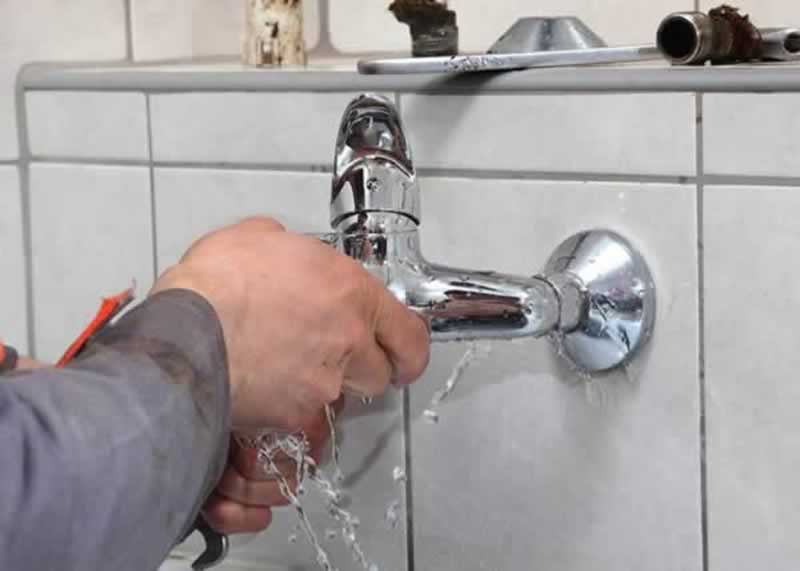
Plumbing emergencies can strike at any moment, often when you least expect them. Whether it’s a burst pipe, an overflowing toilet, or a malfunctioning water heater, knowing how to respond can make a significant difference in minimizing damage and restoring normalcy. This guide outlines essential steps to take during a plumbing emergency, ensuring you are well-prepared to handle the situation effectively.

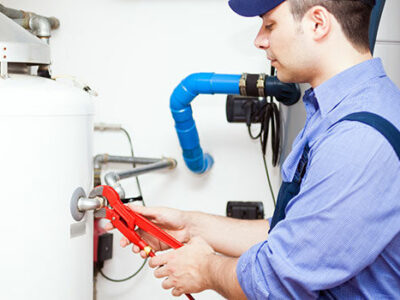
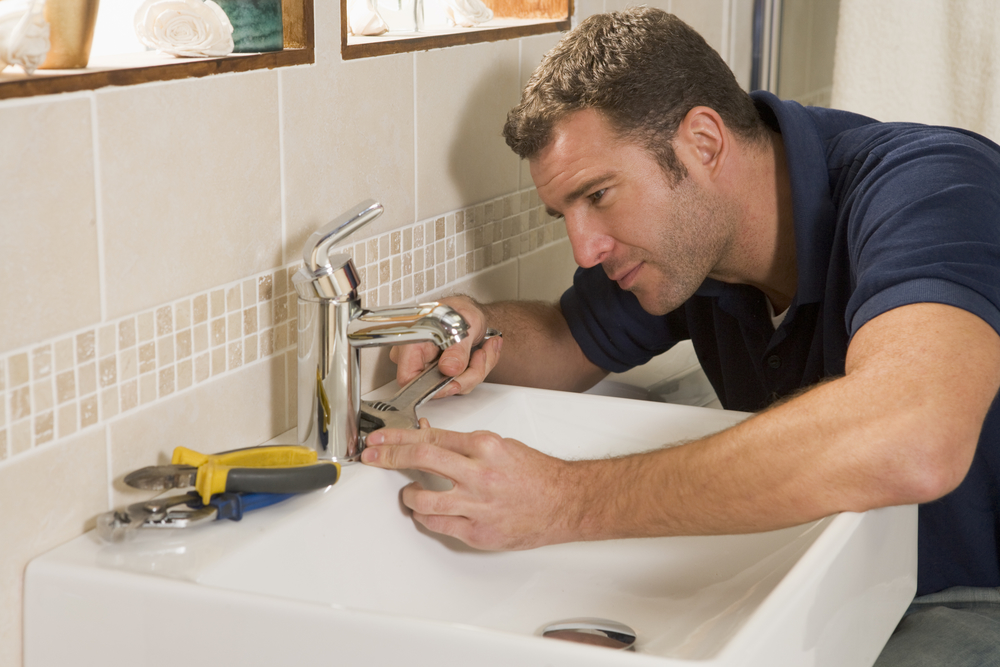
A skilled residential plumber not only repairs problems but also provides preventive maintenance to avoid costly future repairs. Whether you need pipe replacements, water heater installations, or drainage solutions, a trusted residential plumber guarantees efficient and timely service, ensuring your plumbing system runs smoothly and effectively at all times.

1. Stay Calm and Assess the Situation

The first step in any emergency is to remain calm. Panic can cloud your judgment and lead to mistakes. Take a moment to assess the situation:

  • Identify the Source: Determine where the problem is coming from. Is it a leak from a pipe, a clogged toilet, or a malfunctioning appliance?
  • Evaluate the Severity: Is the leak small and manageable, or is it gushing water? Understanding the severity will guide your next steps.

2. Shut Off the Water Supply

In most plumbing emergencies, shutting off the water supply is the most critical action you can take. This step helps prevent further damage and flooding.

  • Locate the Main Shut-Off Valve: The main water shut-off valve is typically found near where the water line enters your home, often in basements, crawl spaces, or near the water meter. Familiarize yourself with its location ahead of time.
  • Turn Off Individual Fixtures: If the problem is isolated to a specific fixture, such as a sink or toilet, you can turn off the individual shut-off valve under that fixture. This action will stop the water flow without affecting the entire house.

3. Drain Remaining Water

Once the water supply is off, it’s helpful to drain any remaining water in the pipes to minimize potential damage.

  • Flush Toilets: Flush toilets to remove as much water as possible from the tank and bowl. If there’s a clog, this may help alleviate some of the pressure.
  • Run Taps: Open faucets to allow any residual water to flow out. Start from the highest faucet in your home and work your way down. This practice helps empty the pipes and reduces the chance of additional leaks.

4. Contain the Damage

If you’re dealing with a leak or flooding, containing the damage is paramount.

  • Use Towels and Buckets: Place towels or rags around the affected area to absorb water. Use buckets or containers to catch any dripping water.
  • Remove Valuable Items: If possible, move furniture, electronics, or other valuables away from the affected area to prevent damage.

5. Call for Professional Help

In many cases, a plumbing emergency requires the expertise of a licensed plumber. Knowing when to call for help is crucial.

  • Evaluate the Situation: If you’ve turned off the water supply and contained the damage, but the problem persists, it’s time to contact a professional. This includes situations like burst pipes, sewage backups, or extensive flooding.
  • Find a Reliable Plumber: Research and save contact information for local plumbing services ahead of time. Look for licensed, insured plumbers with good reviews to ensure you have someone reliable to call in an emergency.

6. Document the Damage

If significant damage has occurred, documenting the situation can be helpful for insurance claims.

  • Take Photos: Use your phone to take clear photos of the affected area, including any damage caused by water. These images can serve as evidence when filing a claim.
  • Make Notes: Write down a detailed account of what happened, including the date, time, and any steps you took to mitigate the situation. This information can be valuable for both your insurance company and the plumber.

7. Prevent Future Emergencies

Once the immediate crisis has been addressed, consider taking steps to prevent future plumbing emergencies.

  • Regular Inspections: Schedule regular plumbing inspections to identify potential issues before they become emergencies. A licensed plumber can check for leaks, corrosion, and other problems.
  • Know Your Plumbing System: Familiarize yourself with your home’s plumbing system, including the location of shut-off valves and the condition of pipes. Understanding your plumbing can help you respond more effectively in emergencies.
  • Educate Your Household: Ensure everyone in your household knows how to shut off the water supply and recognizes signs of plumbing issues. This knowledge can be crucial in minimizing damage.

8. Maintain Your Plumbing

Prevention is key to avoiding plumbing emergencies altogether. Implement a routine maintenance schedule:

  • Check for Leaks: Regularly inspect visible pipes, faucets, and appliances for any signs of leaks or drips.
  • Clear Drains: Use drain strainers to catch hair and debris, and avoid pouring grease down the sink. Regularly clean drains to prevent clogs.
  • Insulate Pipes: In colder climates, insulate pipes to prevent freezing and bursting during winter months.

Conclusion

Being prepared for a plumbing emergency can make all the difference between a minor inconvenience and a major disaster. By staying calm, knowing how to shut off your water supply, and having a plan for when to call a professional, you can effectively manage the situation. Regular maintenance and education can further enhance your ability to prevent future emergencies, ensuring a smoother experience in your home. Remember, while you can handle many minor issues on your own, knowing when to seek professional help is key to protecting your home and peace of mind.

What is your reaction?

Excited
0
Happy
0
In Love
0
Not Sure
0
Silly
0

You may also like

More in:Plumbing