 By Zoe Caleb
Introduction
Decorating a home is more than just placing furniture and accessories; it’s about creating a space that reflects your personality, provides comfort, and balances aesthetics with functionality. With the right decor tips, homeowners can transform any room, big or small, into a cohesive and inviting environment. From choosing the right color palette to integrating lighting, furniture placement, and decorative accents, thoughtful interior styling can enhance the ambiance of your living spaces. Today’s home decor trends combine modern simplicity with personal touches, ensuring that every corner is purposeful and visually appealing.
Choosing the Right Color Palette
Color sets the mood of a room and serves as the foundation for all other design elements. The right color palette can make a space feel expansive, cozy, or energizing.
- Neutral Base Colors: Whites, beiges, and soft grays offer flexibility and provide a clean backdrop for accent colors. Neutral walls allow furniture, art, and accessories to stand out while maintaining a timeless aesthetic.
- Accent Colors: Bold hues like emerald green, deep blue, or burnt orange can be used on feature walls, furniture, or decorative elements to create focal points.
- Color Harmony: Use the 60-30-10 rule to balance colors—60% dominant color (walls), 30% secondary color (furniture), and 10% accent color (decor accessories).
- Seasonal Adaptation: Incorporate seasonal touches like throw pillows, rugs, and curtains in changing colors to refresh the space without a major renovation.
Furniture Selection and Arrangement
Furniture choice and placement are central to both aesthetics and functionality. Well-planned layouts can make rooms feel open and inviting.
- Scale and Proportion: Select furniture that complements the room’s dimensions. Oversized pieces in small rooms can feel cramped, while small furniture in large spaces may look out of place.
- Multi-Functional Pieces: Opt for furniture with built-in storage, like ottomans, bed frames with drawers, or extendable dining tables, to maximize space efficiently.
- Zoning: Use furniture to define different areas within open-plan spaces. For example, a sofa can separate the living area from the dining area.
- Flow and Accessibility: Ensure clear pathways between furniture pieces to allow easy movement and avoid overcrowding.
Lighting Techniques for Ambiance and Functionality
Lighting is both functional and decorative. Proper lighting enhances the room’s mood and highlights design features.
- Ambient Lighting: Provides overall illumination through ceiling-mounted fixtures, chandeliers, or recessed lights. It sets the room’s general tone.
- Task Lighting: Essential for activities like reading, cooking, or working. Desk lamps, under-cabinet lighting, and bedside lamps are examples.
- Accent Lighting: Highlights architectural features, artwork, or decorative pieces using wall sconces, spotlights, or LED strips.
- Layered Lighting: Combining ambient, task, and accent lighting creates depth and allows flexibility in setting the mood for different occasions.
Wall Decor and Artwork
Walls are the perfect canvas to express style and add personality to any space. Creative wall decor elevates a room’s design and draws attention to key areas.
- Art Pieces: Paintings, prints, or framed photographs can reflect personal tastes and set a visual theme. Large art pieces can serve as focal points.
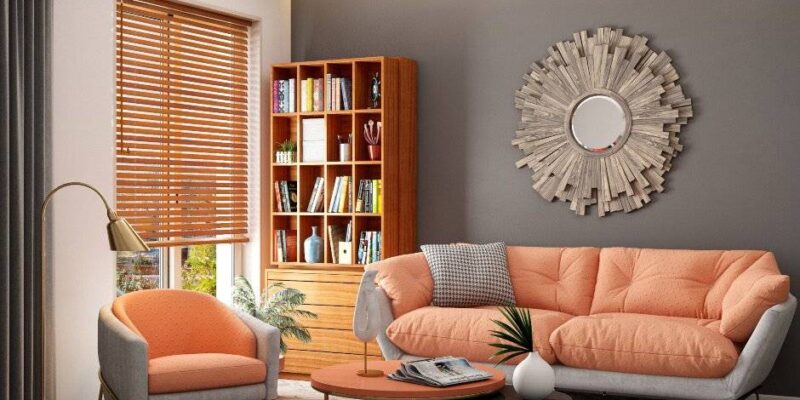
- Mirrors: Strategically placed mirrors can make a space feel larger and brighter while adding an elegant touch.
- Wall Panels and Textures: Wooden panels, wainscoting, or textured wallpapers add depth and dimension to plain walls.
- Gallery Walls: Arranging multiple pieces in a curated layout adds visual interest and creates a personalized display.
Textiles and Soft Furnishings
Textiles bring warmth, comfort, and style to interiors. They can be updated seasonally to refresh the look of a room.
- Rugs and Carpets: Area rugs define spaces, provide comfort underfoot, and introduce patterns and colors. Layering rugs adds texture and visual interest.
- Curtains and Drapes: Window treatments control natural light, enhance privacy, and contribute to the room’s style. Choose fabrics and colors that complement the overall decor.
- Cushions and Throws: Decorative pillows and blankets are easy ways to incorporate color, texture, and seasonal trends into a room.
- Upholstery: Updating or reupholstering furniture in fabrics that match your color scheme can transform a room without replacing major pieces.
Incorporating Plants and Natural Elements
Adding greenery and natural materials enhances the ambiance and improves air quality. Plants and natural decor elements create a calming, organic atmosphere.
- Indoor Plants: Fiddle leaf figs, snake plants, and pothos are popular options that require minimal maintenance while adding visual appeal.
- Natural Materials: Wood, stone, jute, and bamboo bring texture and warmth to interiors. Wooden furniture, stone countertops, or woven baskets integrate seamlessly into various decor styles.
- Water Features: Small indoor fountains or aquariums can introduce soothing sounds and create a tranquil environment.
- Sustainable Decor: Using recycled, reclaimed, or eco-friendly materials aligns with modern sustainability trends while enhancing aesthetics.
Decorative Accessories and Personal Touches
Accessories complete the decor, adding personality and style to a space. Thoughtful accents ensure a home feels lived-in and welcoming.
- Lighting Fixtures as Decor: Statement pendant lights or artistic floor lamps serve both functional and aesthetic purposes.
- Decorative Objects: Vases, sculptures, and figurines personalize spaces and reflect the homeowner’s taste.
- Books and Collectibles: Display books, souvenirs, or collectibles on shelves to add character and a story to the room.
- Layering and Grouping: Grouping items in odd numbers, varying heights, and textures creates visually pleasing arrangements.
Optimizing Small Spaces with Smart Decor
Small spaces require strategic decor choices to maximize functionality without compromising style.
- Light Colors and Mirrors: Lighter tones and reflective surfaces make small rooms feel open and airy.
- Vertical Storage: Utilize wall shelves, tall cabinets, and hanging organizers to free up floor space.
- Multi-Purpose Furniture: Foldable desks, sofa beds, and nesting tables adapt to different needs while saving space.
- Decluttered Aesthetics: Minimalist decor and strategic storage reduce visual clutter, creating a sense of openness.
Seasonal Decor Updates
Refreshing decor according to seasons keeps your home vibrant and adaptable.
- Spring and Summer: Introduce light fabrics, floral patterns, and pastel colors to create an airy, cheerful ambiance.
- Autumn and Winter: Incorporate warm tones, cozy throws, and textured rugs to add comfort and warmth.
- Festive Decor: Decorative lights, ornaments, and thematic accents enhance the seasonal spirit and make the home inviting.
Conclusion
Implementing effective decor tips transforms any home into a stylish, comfortable, and functional environment. From selecting the right color palette and furniture to integrating lighting, textiles, and decorative accents, each element contributes to a cohesive and welcoming space. Thoughtful home decor blends aesthetics with practicality, allowing every room to reflect personal style while serving its intended purpose. By applying these strategies, homeowners can create interiors that are both visually appealing and tailored to their lifestyle.
FAQs
1. How can I choose a color palette that complements my home’s existing decor?
Start with a neutral base and gradually introduce accent colors that harmonize with furniture, flooring, and artwork. Consider the mood you want to create in each room.
2. What are some budget-friendly ways to update home decor?
Add accessories like cushions, throws, rugs, or artwork. Repainting walls, reupholstering furniture, and using removable wallpaper are cost-effective options.
3. How can I make a small room appear larger with decor?
Use light colors, mirrors, minimal furniture, and vertical storage solutions. Opt for multi-functional furniture to maximize usable space.
4. What are key lighting tips for creating a cozy atmosphere?
Combine ambient, task, and accent lighting. Use dimmers, warm-toned bulbs, and layered light sources to create depth and ambiance.
5. How can I incorporate personal touches without cluttering the space?
Display curated items in small, organized groupings. Rotate decor seasonally and use storage solutions to keep surfaces tidy.
6. Which plants are best suited for indoor decor?
Low-maintenance plants like snake plants, pothos, and ZZ plants thrive indoors. Choose pots and planters that complement your decor style.
7. How often should I refresh my home decor?
Small updates like accessories and textiles can be changed seasonally. Major renovations or furniture updates are typically done every 5–10 years.
This article provides practical and detailed decor tips, covering design, furniture, lighting, textiles, accessories, and small-space solutions to help homeowners create stylish and inviting interiors.