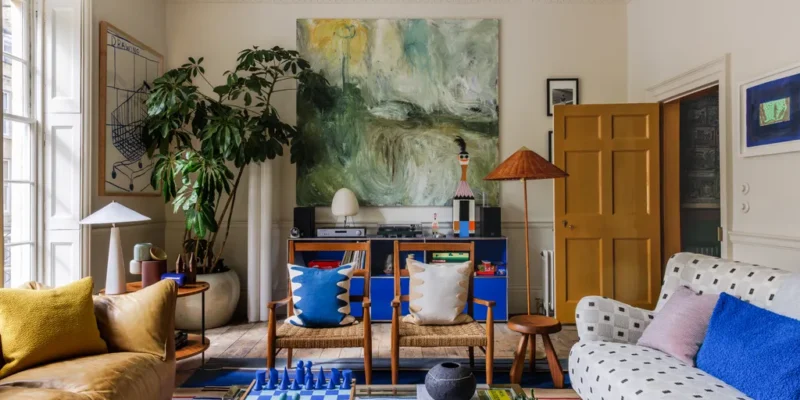
 By Zoe Caleb
Integrating living greenery into interior spaces is one of the most effective ways to revitalize a home. Beyond their aesthetic appeal, house plants improve indoor air quality, elevate mood, and establish a soothing connection to the natural world. Decorating with plants involves much more than simply placing a potted fern on a windowsill. It requires a thoughtful design strategy that balances light requirements, scale, texture, color palettes, and spatial harmony.
Whether decorating a compact urban apartment or a spacious suburban residence, incorporating indoor foliage can completely transform the visual character of your living space. By treating plants as dynamic interior design elements rather than mere accessories, you can curate a fresh, vibrant atmosphere tailored to your personal design aesthetic.
Understanding Spatial Scale and Plant Selection
A common mistake when decorating with greenery is selecting plants without considering the physical dimensions and architectural scale of the room. A tiny succulent placed alone on a sprawling dining table appears lost, while an oversized fiddle-leaf fig jammed into a cramped hallway feels restrictive.
Matching plant scale to room dimensions creates a balanced visual environment:
-
Statement Floor Plants: Large-scale flora—such as bird of paradise, monstera deliciosa, rubber trees, or ponytail palms—anchor vacant corners, frame doorways, or serve as natural room dividers in open-concept spaces. Their impressive height draws the eye upward, highlighting ceiling clearance.
-
Mid-Sized Accent Varieties: Medium foliage plants like ZZ plants, peace lilies, or snake plants work exceptionally well on side tables, credenzas, and plant stands. They bridge the visual gap between floor-standing greenery and elevated wall displays.
-
Tabletop and Desktop Accents: Smaller plants, including peperomia, jade, miniature succulents, and African violets, add intimate touches of color and organic texture to coffee tables, floating shelves, nightstands, and kitchen counters.
Playing with Texture, Form, and Leaf Variety
Indoor gardens feel most dynamic when they feature a diverse mixture of leaf shapes, growth forms, and foliage textures. Combining contrasting leaf structures creates visual depth, preventing greenery displays from appearing flat or monotonous.
Consider mixing different plant growth habits to build layered visual interest:
Upward Architectural Forms
Plants with upright, structured leaves—such as sansevieria, cast iron plants, and columnar cacti—introduce clean vertical lines. These architectural shapes complement modern minimalist, mid-century, and industrial design styles.
Soft Cascading Vines
Trailing plants like pothos, string of pearls, heartleaf philodendron, and English ivy soften hard architectural edges. Position trailing foliage on high bookshelves, mantlepieces, or hanging macrame planters to allow leafy vines to spill gracefully down vertical walls.
Broad Bushy Foliage
Unstructured, bushy plants like calatheas, ferns, and aglaonemas provide lush volume and soft silhouettes. Their broad leaves capture natural light, adding rich textural contrast when placed adjacent to rigid furniture pieces or sleek metallic fixtures.
Selecting the Perfect Planters and Containers
The containers holding your indoor plants serve as crucial design accessories that unify your botanical displays with your existing interior decor scheme. Planter materials, colors, and textures should complement your furniture, flooring, and wall colors.
Select planter styles that reinforce your overall interior aesthetic:
-
Terracotta and Clay: Classic unglazed terracotta pots bring warmth, earthy texture, and rustic charm. They pair exceptionally well with bohemian, Southwestern, and traditional Mediterranean interiors while providing excellent root aeration for moisture-sensitive plants.
-
Ceramic and Porcelain: Glazed ceramic pots offer endless color options, sleek finishes, and modern elegance. Matte white or charcoal gray ceramic planters project clean contemporary minimalism, while vibrant patterned ceramics add artistic personality.
-
Woven Baskets and Fiber Containers: Placing nursery pots inside woven seagrass, jute, or rattan baskets adds rich natural texture and casual warmth to living rooms, bedrooms, and sunrooms.
-
Metallic and Concrete Accents: Brushed brass, copper, or concrete planters introduce industrial sophistication and luxurious contrast when paired with dark green foliage.
Always ensure decorative outer pots contain drainage holes or use a cachepot system, keeping plants in plastic nursery pots with drainage saucers inside the decorative container to prevent root rot.
Utilizing Vertical Space and Architectural Features
When floor space is limited, look upward to incorporate greenery vertically. Vertical plant displays maximize square footage while creating eye-level focal points that make rooms feel larger and more immersive.
-
Floating Wall Shelves: Install staggered floating shelves dedicated to displaying a curated collection of small potted plants, books, and decorative objects. Mixing plants with art creates a balanced, gallery-like wall arrangement.
-
Hanging Planters: Suspend plants at varying heights near windows or in empty corners using ceiling hooks, leather straps, or woven macrame holders. Hanging displays utilize unused vertical air space effectively.
-
Vertical Living Walls and Ladders: Lean a decorative wooden blanket ladder against an accent wall to hang small potted herbs or vining plants from its rungs. Alternatively, modular living wall systems allow you to create a continuous vertical tapestry of live plants.
Grouping Plants with Design Principles
Placing single plants sporadically around a room can feel disjointed. Grouping plants together in intentional clusters creates a stronger visual statement and offers biological benefits, as clustered plants create localized microclimates with higher humidity levels.
Apply the interior design rule of threes when arranging plant clusters. Grouping odd numbers of items creates an organic, visually pleasing arrangement. Combine three plants of varying heights, leaf shapes, and planter materials on a tray or corner stand to form a cohesive botanical vignette.
Additionally, pay attention to foliage color variation. Beyond standard green, incorporate variegated varieties featuring cream, pink, silver, or deep burgundy foliage—such as calathea triostar, rubber tree ruby, or aglaonema pink princess—to introduce subtle color contrast without relying on artificial decor.
Frequently Asked Questions
How do I choose the right plants for low-light rooms?
For rooms with limited natural light or north-facing windows, select shade-tolerant varieties that thrive in low-light environments. Excellent options include snake plants, ZZ plants, pothos, cast iron plants, and heartleaf philodendrons. Avoid flowering plants or highly variegated varieties, which require bright indirect light to maintain their coloration.
How can I decorate with plants if I have pets at home?
If you have cats or dogs, select non-toxic house plants to prevent accidental poisoning. Safe options include spider plants, Boston ferns, prayer plants, peperomias, ponytail palms, and most succulents. Always double-check plant safety databases before bringing new species home, or place potentially toxic plants high out of reach on wall shelves or hanging planters.
What is the best way to prevent pests when keeping indoor plants?
To prevent common indoor plant pests like fungus gnats, spider mites, and mealybugs, inspect new plants thoroughly before bringing them indoors. Avoid overwatering, ensure planters have proper drainage, wipe dust off leaves regularly with a damp cloth, and allow the top layer of soil to dry out between waterings.
How do I maintain plant arrangement displays when natural light keeps shifting?
Rotate your potted plants a quarter turn every few weeks so all sides receive balanced light exposure, preventing stems from bending unnaturally toward window sources. During winter months when light levels drop, consider supplementing natural sunlight with sleek, full-spectrum LED grow light fixtures disguised as modern floor lamps.
Can I mix artificial plants with real plants in my home decor?
Yes, mixing high-quality faux plants with live greenery is an effective design strategy, particularly for hard-to-reach high shelves or dark windowless bathrooms. Place live plants in prominent, well-lit spots where their natural texture and growth can be appreciated, and reserve realistic faux varieties for locations where living plants cannot survive.
How often should plant foliage be cleaned?
Dust your plant leaves every two to four weeks using a soft, damp microfiber cloth. Dust accumulation blocks sunlight from reaching leaf surfaces, reducing photosynthesis efficiency and making foliage look dull. Keeping leaves clean restores their vibrant green sheen and supports healthy plant growth.
What are cachepots and how do they make decorating easier?
A cachepot is a decorative outer planter without drainage holes designed to hold a plant housed in a standard plastic nursery pot with drainage. Using cachepots makes decorating easier because you can swap plants between different decorative pots effortlessly, water plants at the sink without messy water spills, and protect interior furniture from moisture damage.
What is your reaction?
Excited
0
Happy
0
In Love
0
Not Sure
0
Silly
0