 By Zoe Caleb
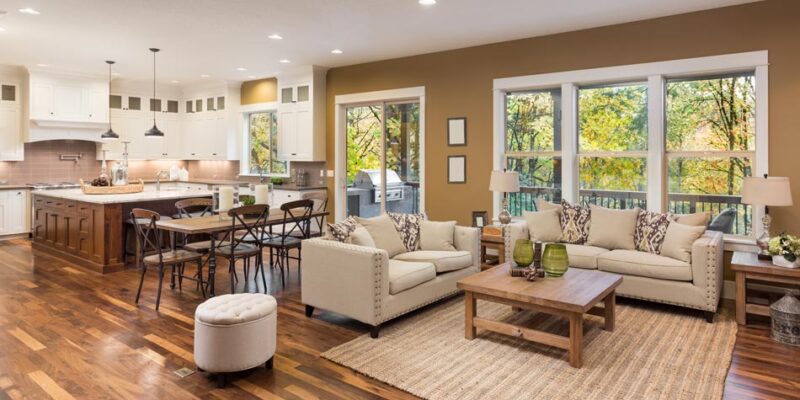
The modern home is multi-functional space. It serves as an office, a gym, an entertainment hub, and a personal sanctuary. With increased activity inside the home comes a significant rise in ambient noise levels. Echoing footsteps, dropped objects, playing children, and TV audio can easily travel through floors, disrupting peace and concentration. Hard, reflective surfaces like polished concrete or traditional ceramic tile often amplify these acoustic issues while offering minimal underfoot cushion.
Selecting the right flooring is one of the most effective ways to solve acoustic challenges and elevate physical comfort. By choosing materials engineered for shock absorption, sound damping, and thermal insulation, you can transform a noisy, hard environment into a quiet, welcoming retreat.
Understanding Acoustics and Thermal Comfort in Flooring
Before selecting specific materials, it helps to understand how flooring impacts both acoustics and physical comfort in residential spaces. Sound in a home typically travels in two distinct ways: impact noise and airborne noise.
Impact noise refers to physical contact with the floor surface, such as heavy footfalls, dragged furniture, or dropped items. These vibrations travel directly through the subfloor into adjoining rooms. Airborne noise involves ambient sounds like voices, music, or television audio that reflect off hard room surfaces.
Comfort, on the other hand, relies on ergonomics and thermal resistance. Ergonomic comfort describes how well a floor absorbs foot impact to reduce fatigue in joints and the lower back during prolonged standing. Thermal comfort measures how well a floor retains ambient room heat rather than conducting cold upward from concrete slabs or unheated subfloors.
Wall-to-Wall Carpet for Maximum Sound Absorption
Wall-to-wall carpeting remains the gold standard for acoustic performance and soft underfoot luxury. Unlike hard surfaces that bounce sound waves back into the room, carpet fibers trap sound waves within their dense structural loops or cut piles.
-
Superior Impact Noise Reduction: Dense carpet dampens the energy of footsteps, virtually eliminating the sound of foot traffic between multi-story living spaces.
-
Exceptional Airborne Sound Absorption: Carpet absorbs ambient noise, reducing room echo and improving speech clarity in media rooms, bedrooms, and home offices.
-
Built-in Thermal Insulation: Carpet fibers trap warm air, providing a cozy surface that keeps feet warm during cold winter months and reduces household heating costs.
To maximize both acoustic performance and cushion, pair plush carpet with a high-density polyurethane or rubber rug pad beneath it.
Natural Cork Flooring for Eco-Friendly Ergonomics
Cork is one of the most naturally comfortable and acoustically absorbent flooring materials available. Sourced from the bark of the cork oak tree, cork possesses a unique cellular structure filled with millions of microscopic air pockets per cubic inch.
This honeycomb cellular network acts as a natural shock absorber and acoustic barrier. When stepped on, cork compresses slightly to cushion foot impact before returning to its original shape.
Key Benefits of Cork
Cork absorbs both impact sound and room reverberation, making it an ideal choice for multi-story homes, nurseries, and home studios. Its natural resilience provides exceptional joint relief for individuals who spend long hours cooking in kitchen spaces or working at standing desks. Furthermore, cork acts as a natural thermal insulator, maintaining a comfortable ambient temperature year-round.
Acoustic Luxury Vinyl Plank and Tile
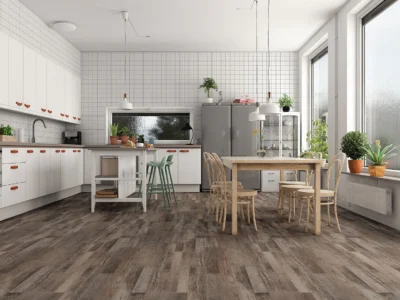
Luxury Vinyl Plank and Luxury Vinyl Tile have surged in popularity due to their water resistance, durability, and realistic wood or stone aesthetics. However, standard thin vinyl installed directly over concrete can feel hard and sound hollow.
Modern acoustic luxury vinyl addresses this issue by integrating specialized multi-layer backing systems:
-
Attached Acoustic Underlayment: High-grade luxury vinyl planks come manufactured with pre-attached cork or high-density foam backing layers. These layers absorb impact vibrations and mute footfall noise significantly.
-
Cushioned Core Layers: Rigid core vinyl constructions, such as Stone Plastic Composite or Wood Plastic Composite, feature engineered cores that absorb shock and resist heat transfer.
-
Waterproof Versatility: Acoustic luxury vinyl provides soft, quiet performance in moisture-prone areas like basements, kitchens, and bathrooms where traditional hardwood or carpet cannot be installed safely.
Premium Underlayments for Hardwood and Laminate
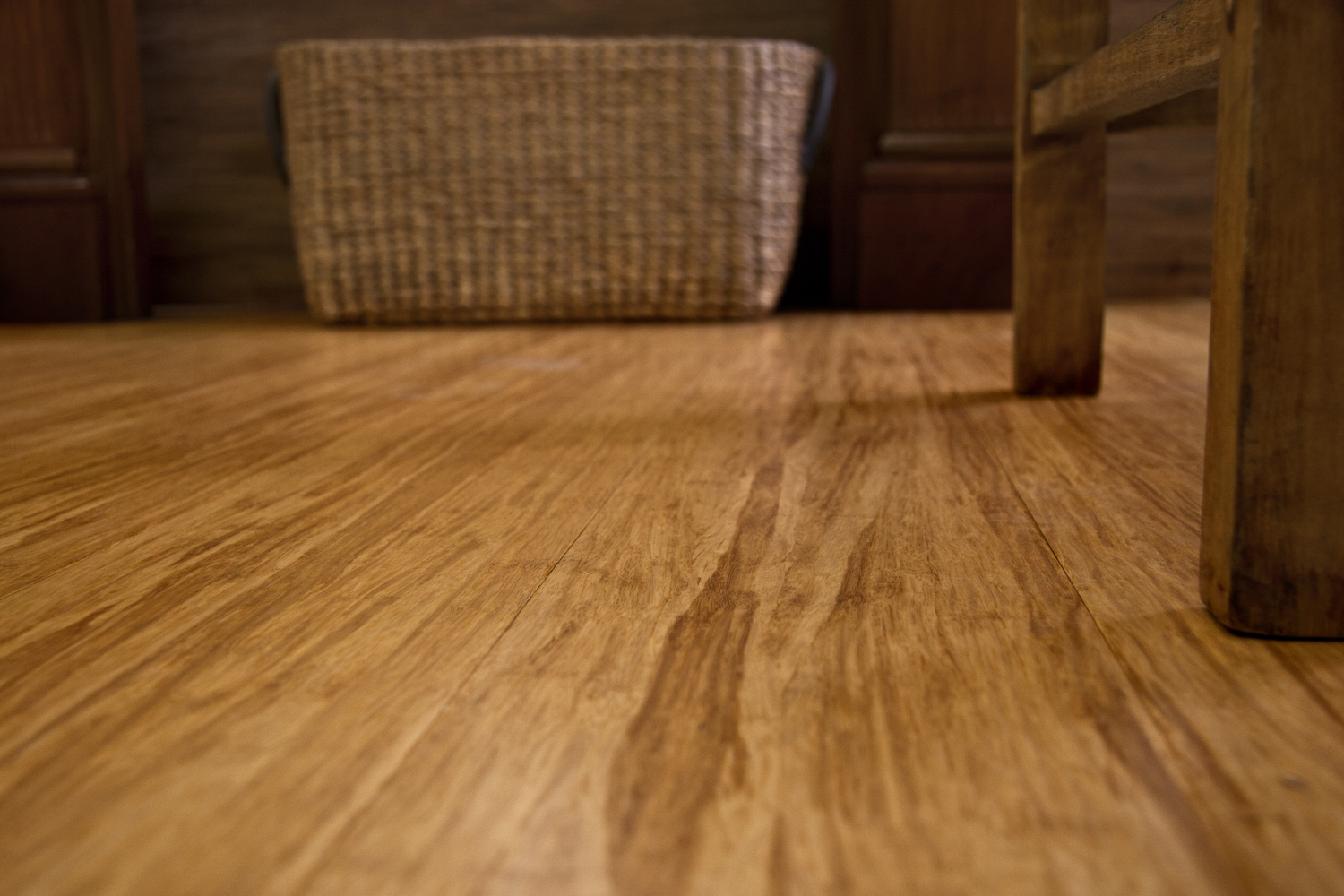
Hardwood and high-quality laminate floors offer timeless aesthetic value and high resale appeal, but their rigid surfaces naturally bounce sound and feel firm underfoot. If you prefer the look of natural wood or laminate, you can dramatically improve its comfort and acoustic profile by investing in high-performance acoustic underlayment during installation.
Rolled acoustic underlayment installed directly over the subfloor before laying hardwood or laminate creates a floating, shock-absorbing barrier:
-
Mass Loaded Vinyl: Dense vinyl sheeting provides exceptional sound isolation, blocking low-frequency impact noise from traveling into lower levels.
-
Recycled Rubber Underlayment: Heavy-duty rubber padding offers long-lasting resilience, absorbing heavy foot traffic while providing subtle cushion under floating wood floors.
-
Engineered Acoustic Foam: Closed-cell polyethylene foam infused with dampening membranes offers an affordable, moisture-resistant barrier that reduces hollow clicking sounds under laminate planks.
Area Rugs and Layered Textile Solutions
For homes with existing hard surfaces like traditional hardwood, tile, or polished stone, replacing the entire floor is not always practical or budget-friendly. Adding large area rugs provides a flexible, highly effective way to improve room acoustics and underfoot comfort immediately.
Strategically placing heavy wool or deep-pile shag rugs in high-traffic zones—such as hallways, living rooms, and bedrooms—breaks up large reflective floor planes. To achieve maximum noise reduction and plush comfort, always place a thick, high-density felt or rubber rug pad beneath area rugs. The pad prevents rug slippage while doubling the total sound absorption capacity of the textile.
Selecting flooring materials that balance sound damping, thermal insulation, and physical cushioning creates a quieter, healthier, and far more comfortable living environment for the entire household.
Frequently Asked Questions
What is the best flooring option for reducing noise between floors in a two-story home?
Wall-to-wall carpet with a high-density rubber or foam pad offers the highest level of noise reduction between floors. If you prefer hard surfaces, luxury vinyl plank with an attached acoustic cork backing or hardwood installed over a thick rubber underlayment provides excellent alternative noise reduction.
Can floating laminate floors be made to sound less hollow when walked on?
Yes, the hollow clicking sound associated with laminate flooring is caused by sound reflecting in the air gap beneath floating planks. Installing a dense, high-grade acoustic underlayment—such as cork, heavy rubber, or specialized acoustic foam—fills gaps, absorbs vibration, and produces a solid sound similar to traditional hardwood.
Is cork flooring suitable for high-moisture areas like bathrooms or basements?
While cork is naturally moisture-resistant due to a natural substance called suberin, it is not completely waterproof. In basements, cork can be installed if a proper vapor barrier is laid down first. For full bathrooms, acoustic luxury vinyl plank is a better option because it provides similar thermal comfort and sound absorption while remaining completely waterproof.
What do Sound Transmission Class and Impact Insulation Class ratings mean?
Sound Transmission Class measures how well a flooring assembly blocks airborne sound, such as voices and television audio. Impact Insulation Class measures how effectively the floor blocks impact noise, such as footsteps or dropped items. Higher numbers in both ratings indicate superior acoustic performance and better sound isolation.
Does carpet thickness alone guarantee better sound absorption?
Not necessarily. While a thicker pile helps absorb airborne sound, the density of both the carpet fibers and the underlying rug pad is far more critical for impact noise reduction. A medium-pile, high-density wool carpet paired with a dense rubber pad performs acoustically better than a thick, low-density shag carpet over a thin foam pad.
How does flooring comfort impact physical health over time?
Standing on unyielding surfaces like concrete, ceramic tile, or hard stone for long periods places continuous stress on joints, feet, and the lower spine, leading to fatigue and muscular strain. Flooring materials with natural elasticity or cushioned underlayments absorb kinetic shock, reducing joint impact and improving posture comfort during daily household activities.
How do area rug pads improve acoustics compared to area rugs alone?
Area rugs absorb higher-frequency airborne sounds on their surface, but they are often too thin to stop lower-frequency impact vibrations from transferring into the subfloor. A dense felt or rubber rug pad adds mass and decoupled shock absorption beneath the rug, trapping impact energy before it vibrates through the floor structure.
What is your reaction?
Excited
0
Happy
0
In Love
0
Not Sure
0
Silly
0