
 By Zoe Caleb
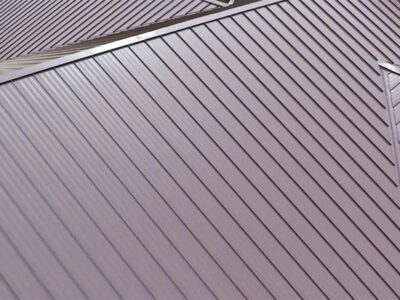
Metal roofing is a top choice for homeowners and commercial property owners due to its durability, longevity, and energy efficiency. However, after investing in a metal roof replacement, it’s essential to follow proper maintenance practices to ensure your new roof performs at its best for decades to come. Here are some expert-recommended post-replacement maintenance tips for metal roofing that will help protect your investment and prevent costly issues down the line.
1. Schedule Regular Roof Inspections
Even though metal roofs are known for their toughness, they’re not immune to damage. Schedule professional inspections at least once a year and after major storms. A roofing expert can spot issues like loose fasteners, minor rust spots, or sealant breakdowns before they become bigger problems.
2. Keep the Roof Clean
Dirt, leaves, twigs, and other debris can accumulate on your roof, especially in valleys and near gutters. If left unchecked, this debris can trap moisture and lead to corrosion. Gently remove debris with a broom or leaf blower to avoid scratching the metal surface. Avoid pressure washing unless recommended by your roofer, as it can damage certain coatings.
3. Check for Loose Fasteners and Seams
Over time, temperature fluctuations can cause expansion and contraction in metal panels, potentially loosening fasteners or seams. Inspect your roof for any signs of loose screws, gaps, or misaligned panels. Promptly tightening or replacing fasteners can prevent leaks and structural damage.
4. Monitor and Maintain Sealants
Metal roofing systems often rely on sealants around vents, flashing, and joints to prevent water intrusion. These sealants can degrade over time due to UV exposure. Inspect these areas regularly and reapply sealant if you notice cracking, peeling, or shrinking.
5. Trim Overhanging Branches
Nearby trees can pose a threat to your metal roof. Overhanging branches can scratch the roof surface or break off during storms, causing dents and other damage. Trim trees regularly to reduce these risks and limit debris buildup.
6. Ensure Proper Drainage
Clogged gutters and downspouts can lead to water pooling, which is especially problematic for metal roofs. Make sure your gutter system is clean and functioning properly. Proper drainage not only protects your roof but also helps prevent foundation damage and mold growth.
7. Address Minor Issues Immediately
Don’t delay repairs. If you spot rust spots, scratches, or minor leaks, address them right away. A small repair today can save you from expensive restoration work later on.
Protect Your Investment with Professional Maintenance
Maintaining your metal roof after replacement is the key to maximizing its performance and longevity. Whether it’s a routine inspection or emergency repair, partnering with a trusted roofing contractor makes all the difference.
Need help maintaining your new metal roof? Contact Florida Roofing and Gutters today for professional roof inspections and maintenance services that keep your metal roof in top shape year-round!
Call us now or schedule your inspection online and enjoy peace of mind with a well-maintained metal roofing system.
This post was written by a professional at Florida Roofing and Gutters. Florida Roofing and Gutters, founded by Tri-Town Construction, is the best Metal roofing Sarasota FL to turn to for residential and commercial roof replacements and repairs in Southwest Florida.