 By Zoe Caleb
Maintaining a home involves more than keeping it clean and organized. Small repairs completed at the right time can also play a major role in preventing pest problems. Tiny cracks, leaking pipes, damaged screens, and loose seals may seem like minor issues, but they can create opportunities for insects and rodents to enter your home. Including routine repairs as part of your pest control plan helps protect your property and keeps your living space comfortable throughout the year.
Many homeowners delay small repairs because they do not seem urgent. However, even a small crack around a window or a gap beneath a door can become an entry point for pests. Once insects or rodents find access to food, water, and shelter inside the home, they may remain hidden for long periods before being noticed.
Doors should be inspected regularly because they are one of the most common entry points. Weather stripping naturally wears out over time, leaving small openings around the edges. Replacing damaged weather stripping and installing a proper door sweep can help block pests from entering while also improving energy efficiency.
Windows deserve equal attention. Torn screens, cracked frames, or damaged seals allow insects to move indoors with ease. Checking windows every few months and repairing any damage helps strengthen the home’s overall pest control system.
Routine repair tasks that support pest control include:
- Seal cracks around doors, windows, and utility pipes.
- Repair leaking plumbing fixtures without delay.
- Replace damaged window screens and worn weather stripping.
Plumbing repairs are another important part of home maintenance. Leaking faucets, loose pipe connections, and damaged water lines create moisture that attracts pests. Homeowners should inspect sinks, bathrooms, laundry rooms, and water heaters regularly for signs of leaks. Prompt repairs help keep the home dry and reduce favorable conditions for pests.
The roof also requires routine inspection. Loose shingles, damaged flashing, or broken roof vents may allow moisture to enter the attic. Water damage not only affects the structure of the home but also creates damp areas where pests are more likely to settle. Keeping the roof in good condition supports both home maintenance and effective pest control.
Foundation cracks should never be ignored. Even small openings around the base of the house can become pathways for insects. Walking around the home’s exterior several times each year allows homeowners to identify new cracks before they become larger problems.
Garage doors should also be inspected. Worn seals beneath garage doors often leave small gaps where insects and rodents can enter. Replacing damaged seals helps keep pests out while improving the overall protection of the garage.
Indoor repairs are just as valuable. Loose flooring, damaged cabinets, broken shelving, or cracked wall surfaces can create hidden spaces where pests remain unnoticed. Repairing these areas not only improves the appearance of the home but also reduces potential hiding places.
Regular gutter maintenance supports pest control as well. Clogged gutters allow water to collect around the roof and foundation, increasing moisture levels near the home. Cleaning gutters regularly ensures proper drainage and helps keep the surrounding area dry.
Homeowners should also inspect vents and utility openings where electrical cables, plumbing pipes, and air conditioning lines enter the house. Small gaps often develop around these areas over time. Sealing these openings prevents pests from using them as entry routes.
Routine inspections make home repairs much easier. Checking the home every few weeks for signs of damage allows homeowners to complete small repairs before they become expensive projects. Early maintenance is one of the simplest ways to strengthen long-term pest prevention.
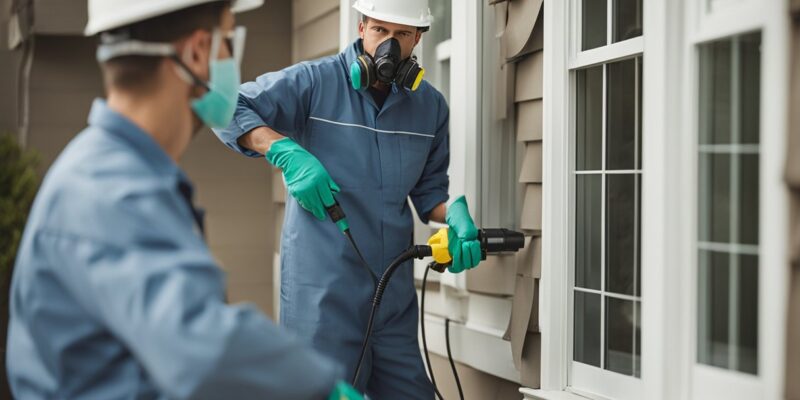
Professional pest control inspections often include identifying maintenance issues that contribute to pest activity. Specialists can recommend repairs that improve the home’s protection while reducing future pest problems.
A well-maintained home provides fewer opportunities for pests to survive. When repairs are completed promptly, homeowners reduce access to food, water, and shelter while preserving the condition of the property. Small repairs completed throughout the year often prevent much larger issues later.
In conclusion, routine home repairs are an essential part of successful pest control. Sealing entry points, repairing plumbing leaks, maintaining the roof, inspecting the foundation, and fixing damaged screens all help create a stronger barrier against unwanted pests. By making home repairs part of regular maintenance, homeowners can enjoy a cleaner, safer, and more comfortable home throughout every season.